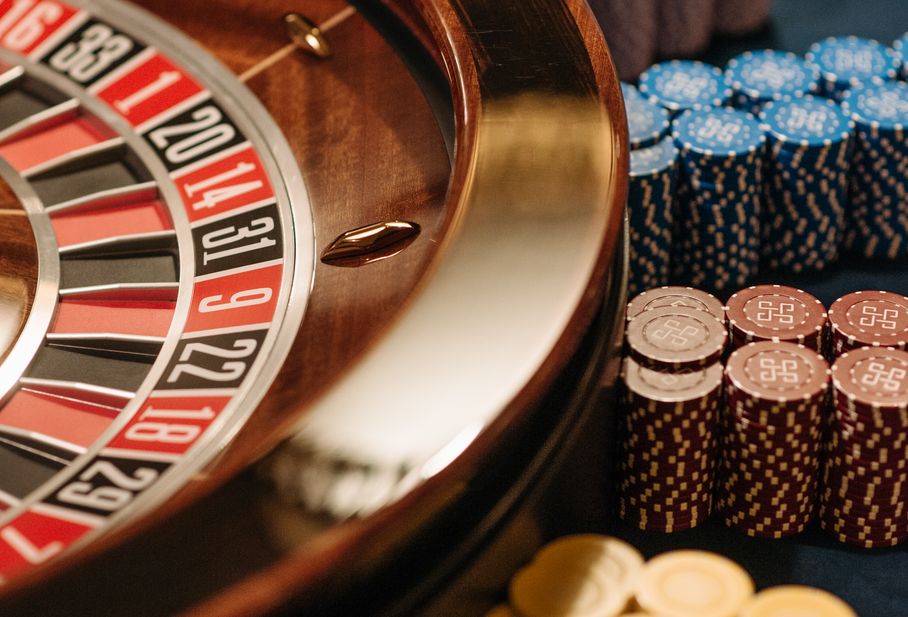
Die Auszahlungen im Online Casino sind ein entscheidender Faktor für das Spielerlebnis und die Zufriedenheit der Kunden. Während Einzahlungen meist schnell und unkompliziert erfolgen, kann die Auszahlung von Gewinnen manchmal etwas dauern. Spieler sollten die verschiedenen Auszahlungsmethoden, die Dauer und eventuell anfallende Gebühren kennen, um unangenehme Überraschungen zu vermeiden. In diesem Artikel beleuchten wir die gängigsten Auszahlungsvarianten, durchschnittliche Bearbeitungszeiten und wichtige Tipps für reibungslose Transaktionen. Informieren Sie sich über die besten Optionen für sichere und schnelle Auszahlungen und erfahren Sie, wie Sie Ihre Gewinne ohne Verzögerungen erhalten können. Für weitere Informationen über vertrauenswürdige Anbieter besuchen Sie casea-casino-bonus.com.

Online Casino: Spielautomaten und Live-Spiele im Überblick

Die wichtigsten Auszahlungsmethoden im Online Casino

Banküberweisungen und Kreditkarten

Banküberweisungen gehören zu den traditionellsten Methoden für Auszahlungen im Online Casino. Sie bieten den Vorteil, dass sie in fast allen Ländern verfügbar sind und in der Regel hohe Beträge transferiert werden können. Allerdings ist die Bearbeitungszeit oft länger als bei anderen Methoden – es können mehrere Tage vergehen, bis das Geld auf dem Konto des Spielers ankommt. Kreditkarten wie Visa und Mastercard sind ebenfalls weit verbreitet und ermöglichen schnelle Initialeinzahlungen, die Auszahlung kann jedoch länger dauern. Viele Casinos wenden zusätzliche Sicherheitsmaßnahmen an, wenn um größere Beträge gebeten wird, was die Verarbeitung ebenfalls verzögern kann.

E-Wallets und digitale Wallets

E-Wallets wie Skrill, Neteller oder PayPal haben sich bei Online-Casino-Spielern großer Beliebtheit erobert. Diese Zahlungsmethoden bieten den entscheidenden Vorteil, dass sie sowohl für Ein- als auch für Auszahlungen genutzt werden können und in der Regel über eine schnellere Verarbeitung verfügen. Details zu Bonusbedingungen und Spielauswahl gibt es direkt bei casea-casino-bonus.com. Während Banküberweisungen oft mehrere Tage benötigen, können E-Wallet-Auszahlungen bereits innerhalb von 24 Stunden bearbeitet werden. Zudem bieten Wallets oft einen zusätzlichen Schutz der Bankdaten, da diese nicht direkt mit dem Casino geteilt werden müssen. Spieler sollten jedoch beachten, dass nicht alle E-Wallets in allen Ländern verfügbar sind und dass einige Anbieter für die Nutzung Gebühren verlangen können.

Auszahlungsdauer und Einflussfaktoren

Die Dauer einer Casino-Auszahlung hängt von mehreren Faktoren ab. Zunächst ist das Casino selbst entscheidend – manche Anbieter verarbeiten Anfragen innerhalb weniger Stunden, während andere mehrere Tage benötigen. Die gewählte Auszahlungsmethoden spielt ebenfalls eine große Rolle: Während E-Wallets in der Regel die schnellste Option sind, können Banküberweisungen deutlich länger dauern. Auch die Höhe des auszuzahlenden Betrags kann die Bearbeitungszeit beeinflussen; größere Gewinne unterliegen oft einer längeren Prüfperiode. Zudem müssen Casinos gesetzliche Vorschriften zur Geldwäschebekämpfung einhalten, was bedeutet, dass bei hohen Betücken eine Identitätsprüfung erforderlich sein kann. Spieler sollten diese Faktoren berücksichtigen und ihre Auszahlungsanträge frühzeitig stellen.

Verifizierung und Sicherheitskontrollen

Bevor eine Auszahlung durchführt werden kann, müssen die meisten Online Casinos eine Verifizierung des Kontos durchführen. Dieser Sicherheitsmechanismus dient dazu, Geldwäsche und Betrug zu verhindern und das Spielerkonto vor unberechtigten Zugriffen zu schützen. Typischerweise müssen Spieler Kopien eines gültigen Personalausweises oder Reisepasses, eine Adressbestätigung und manchmal auch Nachweise über die verwendeten Zahlungsmethoden einreichen. Dieser Prozess kann je nach Casino bis zu 72 Stunden dauern. Spieler können diesen Prozess beschleunigen, indem sie die Dokumente frühzeitig nach der Registrierung einreichen. Sobald die Verifizierung abgeschlossen ist, werden zukünftige Auszahlungen in der Regel schneller bearbeitet.

Gebühren und versteckte Kosten

Ein wichtiger Aspekt bei Casino-Auszahlungen sind die anfallenden Gebühren, die oft übersehen werden. Während einige Casinos keine Gebühren für Auszahlungen erheben, verlangen andere Anbieter 2-5% des auszuzahlenden Betrags. Diese Kosten können je nach gewählter Zahlungsmethode variieren – E-Wallets verlangen häufig höhere Transaktionsgebühren als Banküberweisungen. Spieler sollten immer die allgemeinen Geschäftsbedingungen des Casinos genau lesen, um mögliche Gebühren zu verstehen. Zudem können einige Zahlungsanbieter für Währungsumrechnungen zusätzliche Gebühren verlangen, wenn der Spieler in einer anderen Währung als der angebotenen spielt. Informierte Spieler sollten sich über alle potenziellen Kosten im Klaren sein, um unangenehme Überraschungen zu vermeiden.

Auszahlungsmethode Durchschnittliche Dauer Häufige Gebühren
Banküberweisung 3-5 Werktage 0-5%
Kreditkarte (Visa/Mastercard) 3-7 Werktage 2-5%
E-Wallet (Skrill/Neteller) 0-24 Stunden 0-2%
PayPal 24-48 Stunden 0-2%
Kryptowährungen 10-60 Minuten 0-1%
Prepaidkarten Nicht verfügbar –

Tipps für schnelle und problemlose Auszahlungen

Um sicherzustellen, dass Casino-Auszahlungen reibungslos ablaufen, gibt es einige bewährte Tipps. Zunächst sollten Spieler ihr Konto so früh wie möglich verifizieren, um Verzögerungen bei der ersten Auszahlung zu vermeiden. Es ist ratsam, die gleiche Zahlungsmethode für Auszahlungen zu verwenden, die auch für Einzahlungen genutzt wurde – dies beschleunigt den Prozess und erhöht die Sicherheit des Kontos. Spieler sollten auch die Auszahlungslimits des Casinos beachten und bei Bedarf mehrere Teilzahlungen anfordern. Wichtig ist auch, alle angeforderten Dokumente vollständig und korrekt einzureichen, um Rückfragen zu vermeiden. Schließlich sollten Spieler die Öffnungszeiten des Supports berücksichtigen, da Auszahlungsanforderungen an Wochenenden oder Feiertagen möglicherweise erst am nächsten Werktag bearbeitet werden.

Mobile Auszahlungen und Casino-Apps

Moderne Online Casinos bieten zunehmend die Möglichkeit, Auszahlungen direkt über mobile Geräte durchzuführen. Viele Casino-Apps ermöglichen es Spielern, Auszahlungsaufträge bequem vom Smartphone oder Tablet zu initiieren, was Flexibilität und Komfort bietet. Mobile Wallets wie Apple Pay oder Google Pay werden von einigen Casinos als Auszahlungsmethode akzeptiert, was die Transaktionen weiter beschleunigen kann. Spieler sollten jedoch sicherstellen, dass ihr mobiles Gerät über eine sichere Internetverbindung verfügt und dass die Casino-App eine SSL-Verschlüsselung für den Datentransfer verwendet. Die Benutzerfreundlichkeit der mobilen Auszahlungsprozesse variiert zwischen den Casinos, daher lohnt es sich, die verschiedenen Anbieter zu vergleichen, um das beste mobile Spielerlebnis zu finden.

Kryptowährungen als Auszahlungsoption

Kryptowährungen wie Bitcoin, Ethereum oder Litecoin haben sich als innovative Auszahlungsmethode im Online-Casino-Bereich etabliert. Der größte Vorteil von Krypto-Auszahlungen ist die außergewöhnliche Geschwindigkeit – Transaktionen werden in der Regel innerhalb von Minuten bis wenigen Stunden abgeschlossen, was deutlich schneller ist als herkömmliche Bankmethoden. Zudem bieten Kryptowährungen oft niedrigere Gebühren und eine höhere Anonymität für Spieler. Allerdings erfordern sie grundlegendes technisches Verständnis und eine Wallet zur Aufbewahrung der digitalen Währungen. Die Wertentwicklung der Kryptowährungen kann ebenfalls ein Faktor sein, da manche Spieler bewusst in Kryptowährungen auszahlen, um von potenziellen Kurssprüngen zu profitieren. Nicht alle Casinos bieten Krypto-Auszahlungen an, aber deren Popularität wächst stetig.

Häufige Fragen

Wie lange dauert eine Auszahlung im Durchschnitt?
Die Dauer hängt von der gewählten Methode ab: E-Wallets bieten schnellste Auszahlungen innerhalb von 24 Stunden, während Banküberweisungen 3-5 Werktage benötigen. Kryptowährungen können innerhalb von Minuten bis Stunden verarbeitet werden.

Kann ich eine andere Auszahlungsmethode als Einzahlungsmethode wählen?
In den meisten Casinos müssen Sie für Auszahlungen die gleiche Methode wie bei Einzahlungen verwenden. Dies ist eine

The summer of 2026 feels like a turning point for digital entertainment. Mobile phones already dominate the leisure landscape, but the latest wave of lightweight VR headsets is turning the streets into virtual casino floors. A teenager can slip a Quest‑3 into a backpack, launch a slot game, and feel the spin of a reel as if they were sitting at a real‑world table. At the same time, 5G networks are reaching saturation in most urban areas, and early 6G trials promise sub‑millisecond latency that makes real‑time 3‑D streaming practical for mass markets.

Industry analysts point to the rapid adoption of immersive hardware as a catalyst for a new design philosophy: mobile‑first at the core, with VR as an optional overlay. Operators are therefore re‑engineering their platforms to serve a 2‑D phone interface and a 3‑D headset view from the same codebase. This hybrid approach is especially evident in the way free‑spin bonuses are being re‑imagined. Free spins, once a simple 2‑D pop‑up, now appear as floating holographic reels that react to head movements and hand gestures, creating a more visceral sense of reward. For a broader view of market momentum, see the discussion on online gambling Bahrain, which highlights regional growth that mirrors global trends.

Developers and operators must understand the technical stack that makes these experiences possible, because the profitability of a summer promotion often hinges on how smoothly a free‑spin mechanic runs in a VR environment. This article walks through the architecture, bandwidth strategies, security considerations, and monetisation tactics that together define the next generation of mobile‑centric, VR‑enhanced casino play.

1. The Convergence of Mobile‑First Design and VR Hardware

Mobile GPUs have leapt from a few hundred cores in 2020 to multi‑teraflop arrays capable of rendering full‑frame 90 fps 360° video. Coupled with the rollout of 5G and the early adoption of 6G testbeds, developers can now stream high‑resolution textures to a headset without the need for a powerful onboard processor.

Headset makers are embracing “phone‑powered” optics to keep devices thin and affordable. Meta’s Quest 3 uses a Qualcomm Snapdragon chipset that is essentially a stripped‑down smartphone SoC, while Apple Vision Pro pairs a custom R‑series chip with a dedicated iPhone‑style neural engine. This convergence means that the same rendering pipeline that powers a mobile slot game can be repurposed for a VR casino floor with minimal code duplication.

From a UI/UX perspective, designers must create layouts that collapse gracefully. On a phone, a slot machine appears as a rectangular card with tap‑to‑spin controls. In VR, the same machine expands into a 3‑D object that players can walk around, with gestures replacing taps. Responsive design patterns—such as fluid grids and scalable vector assets—ensure that the experience feels native on both platforms.

Feature Mobile‑Only Phone‑Powered VR
Rendering engine WebGL / Unity (2‑D) Unity / Unreal (3‑D)
Input method Touch Hand tracking & controllers
Bandwidth need 2–5 Mbps 15–30 Mbps (adaptive)
Latency budget <50 ms <20 ms for head tracking

2. Core Technical Stack Behind VR Casinos

The backbone of any VR casino is a hybrid server‑client architecture. Server‑side rendering (SSR) delivers static UI elements and pre‑computed slot outcomes, while client‑side streaming handles the immersive 3‑D world. Most operators choose WebGL for quick browser fallback, but Unity and Unreal have become the de‑facto standards for headset deployment because they support both WebXR and native builds.

Real‑time physics engines such as NVIDIA PhysX or Unity’s DOTS simulate chip stacks, ball‑bounce roulette wheels, and the momentum of a spinning reel. These engines run on the client device to keep latency low, but they receive deterministic seeds from the server to guarantee fairness.

Integration layers sit between the game client and back‑office services. RESTful APIs expose mobile wallet balances, KYC verification status, and RNG endpoints. GraphQL is gaining traction for its ability to fetch only the data required for a specific scene, reducing payload size during a busy summer promotion.

A typical request flow for a free‑spin trigger looks like this:

  1. Player initiates a spin via hand gesture.
  2. Client sends a “spin request” containing the player ID, session token, and a client‑generated nonce to the RNG API.
  3. Server returns a signed outcome (reel positions, win amount) and a free‑spin entitlement token if applicable.
  4. Client animates the reels in 3‑D, plays synchronized audio cues, and stores the token locally for later redemption.

3. Free Spins in a 3‑D Environment – Mechanics and Math

Traditional free‑spin algorithms calculate win probability based on paylines, symbol distribution, and volatility. For example, a 96 % RTP slot with medium volatility might award an average of 1.5 × bet per free spin. Translating this to VR does not change the math, but it does affect how the result is presented.

Random Number Generation in Immersive Play

Latency is the enemy of trust. In a VR session, a 30 ms delay between gesture and reel stop can feel like lag, while a 5 ms delay can break immersion if the outcome appears too instantly. Operators therefore employ hybrid RNG: the server generates a cryptographic seed (e.g., SHA‑256 of timestamp + player ID) and streams it to the headset at the start of a session. The client then runs a lightweight deterministic algorithm (such as a Mersenne Twister) to produce reel stops for each spin, verifying each result against the server‑signed seed. This approach reduces round‑trip time without sacrificing entropy.

Visual & Audio Cue Design

In a 2‑D slot, a flashing “Free Spin” banner suffices. In VR, designers layer spatial audio, haptic feedback, and particle effects to keep players informed without pulling them out of the scene. A common pattern is to project a translucent hologram above the machine that displays “+5 Free Spins” while a subtle wind‑chime sound cues the bonus. The hologram fades as the player walks away, preserving the casino’s ambient noise floor.

Bullet list of best practices for VR free‑spin cues:

  • Use directional audio that originates from the slot machine itself.
  • Limit on‑screen text to 3‑4 words; rely on icons for clarity.
  • Trigger a light‑pulse on the player’s controller to reinforce the win.

4. Mobile Bandwidth Management for VR Casino Sessions

Adaptive bitrate streaming is essential when dozens of players converge on a summer promotion. Edge‑computing nodes cache frequently used assets—such as the 3‑D model of a classic slot machine or the looping background music—and serve them from a location within 10 ms of the user.

Data‑compression techniques include:

  • Mesh simplification: Reducing polygon count for distant objects while preserving high‑detail meshes for close‑up reels.
  • Texture atlasing: Combining multiple UI textures into a single file to cut HTTP requests.
  • AV1 codec: Offering 30 % lower bitrate than H.264 for 360° video streams, which is now supported on most Android‑based headsets.

Operators can minimise drop‑outs by implementing a “graceful degradation” mode. When bandwidth falls below 10 Mbps, the system automatically switches from full 360° video to a lower‑resolution 2‑D fallback, preserving gameplay continuity.

5. Security & Compliance in a Hybrid Mobile‑VR Ecosystem

Regulators in the Gulf, especially Bahrain, have tightened requirements for both mobile and VR gambling platforms. A gaming license in Bahrain now mandates that any immersive product must demonstrate end‑to‑end encryption (TLS 1.3) for headset‑to‑server traffic, as well as separate KYC verification for VR‑specific identifiers such as device UUIDs.

GDPR remains a baseline for European players, requiring explicit consent before any biometric data (eye‑tracking, hand‑gesture logs) is stored. Operators therefore encrypt all session logs at rest using AES‑256 and purge them after 30 days unless the player opts in for analytics.

Free‑spin entitlement tokens are stored as signed JWTs (JSON Web Tokens) with a short expiry (typically 48 hours). The token payload includes the player ID, spin count, and a cryptographic hash of the original RNG seed. This design prevents replay attacks and allows real‑time fraud monitoring.

Anti‑fraud systems now incorporate AI models that flag abnormal patterns, such as a headset generating an unusually high number of free‑spin triggers in a short window. When a suspicion arises, the platform can temporarily suspend the session and require a re‑authentication step via the mobile app.

6. Monetisation Strategies: Leveraging Free Spins to Drive Mobile Retention

Tiered free‑spin bundles have become a staple of summer campaigns. For example, a “Sunset Sprint” package might award:

  • 10 free spins on entry (mobile only)
  • 5 additional spins unlocked after completing a VR achievement (e.g., “First Jackpot”)
  • A bonus multiplier for players who link their crypto wallet, raising each spin’s payout by 1.2 ×.

Cross‑platform loyalty programs reward actions taken on either device. Points earned from mobile deposits can be redeemed for VR‑only avatar skins, while VR wins can unlock mobile‑exclusive cashback offers.

A recent case study from a mid‑size operator showed that a three‑week summer promotion featuring a VR treasure‑hunt with embedded free spins lifted average revenue per user (ARPU) by 18 % compared with a standard mobile‑only campaign. The key drivers were higher session length (average 42 minutes versus 27 minutes) and increased cross‑sell of crypto gambling wallets.

7. Player Experience: From First‑Person Slots to Social VR Lobbies

A typical player journey begins on a smartphone, where a push notification advertises a “Free‑Spin Friday” event. Tapping the alert launches the mobile app, which presents a 2‑D preview of the VR casino floor. The player can then choose to continue on the phone or switch to a headset.

In VR, the lobby resembles a high‑end Monte Carlo hall. Avatars mingle, ambient jazz plays, and a holographic billboard flashes the current free‑spin jackpot. Approaching a slot machine triggers a contextual UI: a floating panel shows the bet size, paylines, and remaining free spins. When the reels stop, a burst of confetti eruils, and the player’s avatar performs a celebratory dance that other users can see.

Social features include voice‑chat rooms for each game type, emoji reactions that appear as floating icons, and leaderboards that rank players by total free‑spin winnings. For users who have not yet purchased a headset, the platform offers a “VR preview” mode on the phone, rendering a low‑poly version of the casino that can be upgraded later.

Bullet list of accessibility considerations:

  • Adjustable text size for players with visual impairments.
  • Subtitles for all audio cues, selectable in the mobile settings.
  • Controller‑only mode for users who cannot use hand‑tracking.

8. Future Roadmap: AI‑Driven Personalisation and the Next Wave of Free‑Spin Innovation

Machine‑learning models are being trained on thousands of player sessions to predict the optimal moment to award a free spin. By analysing variables such as session length, bet size, and recent win frequency, the system can inject a free spin when the player is most likely to stay engaged, increasing conversion from a casual visitor to a paying regular.

Dynamic 3‑D slot themes are another frontier. Generative adversarial networks (GANs) can create on‑the‑fly textures and soundscapes that match a player’s preferred aesthetic—whether that’s a neon‑lit cyberpunk reel or a sun‑kissed tropical beach. The result is a unique visual experience that feels tailor‑made, encouraging longer play sessions.

Hardware advances are on the horizon. Light‑field displays promise true depth perception without the need for stereoscopic lenses, reducing eye strain for marathon summer sessions. When such headsets become phone‑powered, the line between mobile and VR will blur completely, allowing a single device to switch between a flat screen and a volumetric display with a tap.

Operators who begin integrating AI‑driven personalization and preparing for light‑field compatibility now will be positioned to launch the next generation of free‑spin promotions without a costly redesign.

Conclusion

The technical marriage of mobile‑first design and VR hardware is unlocking a new dimension for free‑spin bonuses. By leveraging adaptive streaming, secure tokenisation, and AI‑guided timing, operators can deliver immersive promotions that keep players engaged across devices. Summer 2026 demonstrates that a well‑executed hybrid stack not only boosts ARPU but also builds brand loyalty in a highly competitive market.

Stakeholders should therefore allocate resources to the hybrid architecture, explore cross‑platform loyalty schemes, and keep an eye on emerging compliance requirements—especially in fast‑growing jurisdictions like Bahrain. Early adopters who invest now will enjoy a strategic edge as the industry moves toward fully immersive, AI‑personalised casino experiences.

For further reading and a curated list of resources, visit Kooora4Live, a neutral hub that aggregates news, regulatory updates, and technical guides for the iGaming community.

Nel 2026 l’adozione delle criptovalute nei mercati delle scommesse sportive ha superato il semplice esperimento di pochi anni fa, diventando una pratica consolidata sia nei bookmaker tradizionali sia nelle piattaforme emergenti di DeFi. Gli scommettitori ora possono depositare Bitcoin, Ethereum o token di layer‑2 direttamente dalle proprie app mobili, ottenendo tempi di accredito più rapidi e una tracciabilità che i metodi fiat tradizionali faticano a garantire.

Questo articolo si propone di analizzare scientificamente i meccanismi di sicurezza alla base dei pagamenti crypto, partendo dal flusso di transazione fino alle soluzioni di auditing adottate dai bookmaker. Verranno esaminati i requisiti normativi europei e italiani, in particolare le direttive AML e le linee guida dell’Agenzia delle Dogane, per capire come le autorità stanno cercando di armonizzare l’innovazione con la tutela del consumatore.

La struttura è divisa in dieci punti chiave, ognuno dei quali fornisce criteri operativi per scegliere il miglior operatore di scommesse sportive. Scopri di più su scommesse sportive app. Il lettore troverà dati comparativi, checklist di sicurezza e indicazioni pratiche su bonus, fee e velocità di conferma, il tutto con un approccio basato su evidenze e metodologie scientifiche.

Come funzionano le transazioni crypto nei bookmaker sportivi

Il percorso tipico di una scommessa crypto parte dal wallet dell’utente, che invia una transazione firmata digitalmente verso lo smart‑contract del bookmaker. Il contratto, pubblicato su una blockchain pubblica, registra l’importo, l’identificatore della scommessa e le condizioni di payout. Una volta che la rete conferma la transazione, il bookmaker accredita la puntata sul conto interno dell’utente e, al verificarsi dell’evento sportivo, esegue il pagamento in base alle quote predefinite.

Bitcoin utilizza un modello UTXO (Unspent Transaction Output). Ogni output non speso rappresenta una “moneta” che può essere aggregata in una nuova transazione. Questo approccio garantisce una forte immutabilità, ma richiede più tempo per aggregare gli input, con una media di 10 minuti per blocco. Ethereum, invece, è basato su un modello account‑based: ogni indirizzo mantiene un saldo e le transazioni modificano direttamente quello stato. Grazie a EIP‑1559, le fee di base sono più prevedibili, ma la congestione della rete può comunque allungare i tempi di conferma a 12‑15 secondi in condizioni ottimali.

Per le scommesse live, la differenza è cruciale: un bookmaker che supporta Bitcoin potrebbe richiedere più tempo per accettare una puntata in tempo reale rispetto a uno basato su Ethereum o su una soluzione layer‑2. Alcuni operatori hanno introdotto “payment channels” per Bitcoin, riducendo la latenza a pochi secondi, ma la complessità tecnica aumenta.

Valutare la sicurezza dei wallet integrati nelle app di scommesse

Le app di scommesse sportivo devono gestire le chiavi private degli utenti in modo impeccabile. Esistono due approcci principali: custodial, dove il provider conserva le chiavi, e non‑custodial, dove l’utente mantiene il controllo totale. Un wallet custodial è più comodo per chi non vuole gestire seed phrase, ma richiede al bookmaker di dimostrare una protezione robusta contro attacchi esterni.

L’app “scommesse sportive” di Fondazionebasaglia utilizza un algoritmo di crittografia AES‑256 per proteggere le chiavi private degli utenti, una scelta che rispecchia gli standard di sicurezza adottati dalle banche. Oltre alla cifratura, le piattaforme più affidabili implementano l’autenticazione a più fattori (MFA) basata su TOTP o push notification, e protocolli di firma digitale come ECDSA o EdDSA per garantire che ogni transazione sia autorizzata dal legittimo proprietario.

Elementi da verificare in un wallet integrato

  • Tipo di custodia (custodial vs non‑custodial)
  • Algoritmo di cifratura (AES‑256, ChaCha20)
  • Meccanismo MFA (SMS, app authenticator, biometria)
  • Audit di sicurezza (rapporti pubblici, bug bounty)

Le app iOS più diffuse, ad esempio, sfruttano il Secure Enclave per isolare le chiavi private dal resto del sistema operativo, riducendo il rischio di estrazione da malware. In ambienti Android, la Trusted Execution Environment (TEE) svolge una funzione analoga, ma la frammentazione dei dispositivi rende più difficile garantire uniformità di protezione.

KYC e AML: come le criptovalute influenzano la verifica dell’identità

Le normative Know‑Your‑Customer (KYC) e Anti‑Money‑Laundering (AML) rimangono il pilastro della compliance per i bookmaker che accettano crypto. In Italia, il Decreto Legislativo 231/2007 è stato aggiornato per includere gli exchange di criptovalute, imponendo ai soggetti regolamentati di raccogliere dati anagrafici, verificare la fonte dei fondi e monitorare le transazioni sospette.

Le piattaforme più avanzate combinano la tradizionale verifica documentale (carta d’identità, selfie) con una “proof‑of‑ownership” della crypto wallet: l’utente firma un messaggio con la propria chiave privata, dimostrando il controllo del wallet senza rivelare la seed phrase. Questo metodo riduce il rischio di frodi, ma mantiene un certo grado di anonimato, poiché le transazioni rimangono pseudonime sulla blockchain.

Best practice emergenti includono l’uso di soluzioni di analisi on‑chain (es. Chainalysis, CipherTrace) per tracciare flussi di fondi sospetti, e l’applicazione di limiti di deposito basati sul profilo di rischio dell’utente. I bookmaker regolamentati tendono a imporre soglie più basse per i depositi in crypto rispetto ai metodi fiat, in modo da gestire meglio la volatilità e le potenziali esposizioni AML.

Provably Fair e trasparenza dei risultati sportivi

Il concetto di “provably fair” è nato nei giochi da casinò online, ma sta trovando applicazione anche nelle scommesse sportive. Un sistema provably fair utilizza un algoritmo crittografico che combina un seed pubblico (generato dal bookmaker) con un seed privato (generato dall’utente) per produrre un hash verificabile.

Nel contesto delle quote sportive, gli smart‑contract possono pubblicare le quote in forma di hash prima dell’inizio dell’evento. Dopo la conclusione, il risultato reale viene inserito nel contratto, consentendo a chiunque di ricontrollare che la determinazione delle vincite non sia stata alterata. Questo meccanismo riduce il conflitto di interessi tra operatore e scommettitore, poiché ogni modifica sarebbe evidente sulla blockchain immutabile.

Alcuni bookmaker hanno introdotto “oracle decentralizzati” per importare i risultati sportivi da fonti multiple (es. API di feed ufficiali, feed di terze parti certificati). L’oracolo firma i dati con una chiave pubblica registrata nel contratto, garantendo l’integrità dei risultati. Quando più oracoli concordano su un risultato, la probabilità di manipolazione scende a livelli trascurabili, offrendo una trasparenza comparabile a quella di un mercato finanziario regolamentato.

Analisi dei costi di transazione: gas, commissioni e impatto sulle scommesse

Blockchain Fee media (USD) Tempo medio di conferma Impatto sul minimo di puntata
Bitcoin 2,30 10‑12 minuti Aumenta il minimo di €5
Ethereum (post‑EIP‑1559) 0,12 (base) + tip 12‑15 secondi Riduce il minimo a €2
Polygon 0,003 2‑3 secondi Minimo di €1,5
Optimism 0,001 1‑2 secondi Minimo di €1
Solana 0,00025 <1 secondo Minimo di €1

Le fee di Bitcoin rimangono le più alte, soprattutto durante i picchi di congestione, rendendo poco conveniente l’uso per puntate di valore ridotto. Ethereum, grazie al meccanismo di base‑fee bruciata, offre una maggiore prevedibilità, ma la volatilità del prezzo del gas può comunque influire sui margini di profitto dei giocatori.

Le soluzioni layer‑2 come Polygon e Optimism riducono drasticamente le commissioni, consentendo ai bookmaker di offrire soglie di puntata più basse e di introdurre promozioni “no‑fee” per i nuovi utenti. Tuttavia, la necessità di trasferire fondi dal mainnet al layer‑2 introduce un costo di bridging, generalmente intorno a 0,001 USD, che deve essere considerato nel calcolo del valore netto del bonus.

Velocità di conferma e timing delle puntate live

Le scommesse live richiedono una latenza quasi nulla: una puntata deve essere confermata entro pochi secondi per essere accettata prima della prossima azione di gioco. Le blockchain ad alta velocità, come Solana (finalità istantanea) e Avalanche (finalità in 2‑3 secondi), offrono tempi di conferma che si avvicinano a quelli delle reti tradizionali di pagamento.

Alcuni bookmaker hanno implementato “state channels” su Ethereum, consentendo di aprire una sessione di scommessa off‑chain dove le puntate vengono scambiate quasi istantaneamente; solo al termine della sessione viene inviata una singola transazione di chiusura alla blockchain, riducendo drasticamente i costi di gas.

Per gli utenti iOS, le app ottimizzate sfruttano le notifiche push per inviare rapidamente la firma della transazione al wallet integrato, mentre su Android le API di background consentono di mantenere la connessione al nodo anche quando l’app è in background. La scelta della blockchain influisce direttamente sulla possibilità di piazzare scommesse su eventi in tempo reale, come un goal di calcio a 0‑0 nei minuti finali.

Come scegliere il bookmaker: criteri di sicurezza crypto‑centrici

  • Audit di sicurezza: verifica la presenza di rapporti di audit indipendenti (e.g., Trail of Bits, Quantstamp).
  • Certificazioni: SOC 2, ISO 27001 o certificazioni specifiche per blockchain.
  • Bug bounty: programma pubblico con ricompense per vulnerabilità critiche.
  • Storico vulnerabilità: controlla se l’operatore ha subito breach negli ultimi 12 mesi.

Questa checklist aiuta a valutare se il bookmaker adotta un approccio “security‑by‑design”. Un operatore con certificazione ISO 27001, ad esempio, dimostra di aver implementato controlli di accesso, gestione delle chiavi e monitoraggio continuo. Inoltre, la presenza di un programma bug bounty attivo indica che l’azienda è proattiva nella scoperta di falle prima che vengano sfruttate.

Bonus e promozioni in criptovaluta: valutazione del valore reale

I bonus in crypto possono apparire allettanti, ma la loro valutazione richiede un’analisi del valore atteso (EV) che tenga conto della volatilità del token e delle restrizioni di prelievo.

  • Deposito bonus: 100 % fino a 0,5 BTC, con rollover 30x.
  • Free bet: 0,05 ETH per nuove registrazioni, vincolato a quote minime 1.80.
  • Cashback: 5 % delle perdite settimanali in USDT, prelevabile solo dopo 7 giorni.

Per calcolare l’EV di un free bet, si parte dal valore nominale (es. 0.05 ETH ≈ €80) e si moltiplica per la probabilità di vincita media (es. 0.55) e per il fattore di rollover (1/30). EV ≈ €1,47, che deve poi essere confrontato con la volatilità giornaliera di ETH (±4 %).

È fondamentale leggere le condizioni di prelievo: alcuni operatori consentono il ritiro solo in stablecoin, limitando l’esposizione alla volatilità. Altri impongono un “lock‑up” di 48 ore, durante le quali il valore del token può variare significativamente.

Mercati e quote: l’influenza delle criptovalute sulla liquidità delle scommesse

L’ingresso di capitali crypto ha aumentato la liquidità disponibile sui mercati delle scommesse, soprattutto per sport di nicchia come e‑sports o cricket. I pool di liquidità decentralizzati (DeFi) consentono a fornitori di capitale di offrire quote dinamiche basate su algoritmi di market‑making automatizzati (AMM).

Questa dinamica riduce lo spread tra quote offerte e probabilità reali, creando opportunità di arbitraggio per gli scommettitori esperti. Ad esempio, una piattaforma che utilizza un pool di liquidità su Uniswap v3 può offrire quote 1.95 per una partita di calcio, mentre un bookmaker tradizionale propone 1.90; l’arbitraggio è possibile trasferendo token tra i due mercati in pochi secondi.

Tuttavia, la dipendenza da pool DeFi introduce rischi di “impermanent loss” per i fornitori di liquidità, che possono riflettersi in quote meno competitive durante periodi di alta volatilità del token di base.

Futuri scenari: DeFi, tokenizzazione degli eventi sportivi e interoperabilità

La tokenizzazione degli eventi sportivi rappresenta il prossimo salto evolutivo. Un match di Champions League può essere suddiviso in token ERC‑20 rappresentanti quote specifiche (es. “vincente”, “pareggio”, “goal entro 10 minuti”). Gli scommettitori acquistano questi token, li scambiano su DEX e ricevono automaticamente il payout al verificarsi dell’evento, senza intervento di un bookmaker centrale.

Le piattaforme DeFi stanno già sperimentando mercati di predizione on‑chain, dove gli oracoli decentralizzati forniscono risultati verificabili. L’interoperabilità tra Ethereum, Solana e Binance Smart Chain, resa possibile da bridge cross‑chain, consentirà agli utenti di spostare i propri token di scommessa senza dover convertire in fiat, creando un’esperienza senza frizioni.

In futuro, i protocolli di identità decentralizzata (DID) potranno integrare KYC on‑chain, riducendo i costi di verifica e migliorando la compliance. Gli operatori che adotteranno queste tecnologie saranno in grado di offrire quote più competitive, bonus personalizzati e una trasparenza mai vista prima.

Conclusione

Abbiamo analizzato i principali fattori che determinano la sicurezza e l’efficienza dei pagamenti crittografici nelle scommesse sportive: dal flusso di transazione su blockchain, passando per la protezione dei wallet integrati, fino alle implicazioni normative di KYC/AML. I costi di gas, la velocità di conferma e le soluzioni provably fair influenzano direttamente le soglie di puntata e la fiducia dell’utente.

Scegliere un bookmaker richiede una valutazione basata su audit di sicurezza, certificazioni, bug bounty e storico delle vulnerabilità. I bonus in crypto devono essere ponderati tenendo conto della volatilità e delle restrizioni di prelievo, mentre la liquidità offerta dalle pool DeFi può aprire nuove opportunità di arbitraggio.

Con gli strumenti scientifici presentati, gli scommettitori moderni possono confrontare le offerte, massimizzare la protezione del capitale e sfruttare al meglio le potenzialità offerte dalle criptovalute nel panorama sportivo del 2026.

Die Welt des Online Glücksspiels ist faszinierend und voller Möglichkeiten, aber wie kann man sicherstellen, dass die Spiele fair sind? Die Antwort liegt im Zufallsgenerator und regelmäßigen Audits. Hinter jedem virtellen Roulette, jedem Spielautomaten-Spin und jeder Kartenziehung steht ein komplexer Algorithmus, der sicherstellt, dass Ergebnisse rein zufällig sind. Wer gezielt nach aktuellen Angeboten sucht, findet bei registrieren Goldbet einen guten Ausgangspunkt. Für ein vertrauenswürdiges Goldbet online-Erlebnis ist es entscheidend, diese Mechanismen zu verstehen. Seriöse Anbieter transparent ihre Zufallsgeneratoren für ihre Nutzer, und unabhängige Audit-Prüfungen bestätigen diese Fairness. In diesem Artikel erläutern wir, wie diese Technologie funktioniert und worauf Sie bei der Auswahl eines fairen Online Casinos achten sollten.

Technologie hinter fairen Online Casinos

Der Zufallsgenerator: Das Herzstück jedes Spiels

Ein Zufallsgenerator, auch Random Number Generator (RNG) genannt, ist ein Algorithmus, der unvorhersehbare Zahlenfolgen erzeugt. In Online Casinos werden diese Zahlen für die Bestimmung von Spielergebnissen verwendet – vom Rouletterad bis zum Ergebnis eines Spielautomaten-Spins. Moderne RNGs nutzen komplexe mathematische Algorithmen und physikalische Phänomene, um echte Zufälligkeit zu simulieren. Diese Technologie stellt sicher, dass kein Mensch oder System das Ergebnis beeinflussen kann. Ein fairer RNG muss mehrere Kriterien erfüllen: Unvorhersehbarkeit, Unwiederholbarkeit und Gleichverteilung der Ergebnisse. Seriöse Casinos investieren in hochwertige RNG-Software, die regelmäßig geprüft wird.

Audits: Die unabhängige Kontrolle

Ein Zufallsgenerator allein reicht nicht aus – regelmäßige Audits durch unabhängige Organisationen sind entscheidend. Diese externen Prüfer analysieren die Algorithmen und überprüfen, ob die Spiele wirklich fair sind. Sie testen tausend Spielrunden, um statistisch sicherzustellen, dass die Ergebnisse den erwarteten Wahrscheinlichkeiten entsprechen. Solche Audits decken nicht nur den Zufallsgenerator ab, sondern auch die Auszahlungsquoten (RTP) und die Sicherheit der Plattform. Ein Casino, das seine Audits öffentlich zur Verfügung stellt, zeigt Transparenz und Verantwortungsbewusstsein. Diese Prüfberichte sind oft auf der Website des Anbieters zu finden oder können beim Kundendienst angefordert werden.

Wie erkennt man ein faires Online Casino?

Lizenzierung und Regulierung

Ein grundlegendes Merkmal eines fairen Online Casinos ist eine gültige Glücksspiellizenz von einer anerkannten Behörde. Institutionen wie die Malta Gaming Authority, die UK Gambling Commission oder die Gibraltar Regulatory Authority setzen strenge Standards für Betriebssicherheit und Fairness. Eine Lizenz sicherstellt, dass das Casino regelmäßig geprüft wird und alle Vorschriften einhält. Bei der Auswahl eines Anbiegers sollten Sie immer zuerst nach der Lizenzinformation suchen – diese findet sich meist im Fußbereich der Website. Eine regulierte Plattform bietet Ihnen als Spieler zusätzlichen Schutz im Streitfall und garantiert faire Spielbedingungen.

Software-Provider und deren Ruf

Die Qualität eines Online Casinos hängt stark von seinen Software-Partnern ab. Bekannte Provider wie NetEnt, Microgaming, Novomatic oder Play’n GO haben sich über Jahre einen Ruf für faire Spiele und hochwertige Software erarbeitet. Diese Unternehmen entwickeln nicht nur die Spiele, sondern stellen auch ihre eigenen Zufallsgeneratoren bereit. Sie unterliegen selbst strengen Prüfungen und Audits. Wenn ein Casino ausschließlich mit solchen renommierten Anbietern arbeitet, spricht das für deren Fairness. Achten Sie auf eine vielfältige Auswahl an Spielen von unterschiedlichen Providern – das zeigt, dass das Casino nicht auf eine einzige, möglicherweise manipulierte Software angewiesen ist.

Transparenz bei Spielmechaniken

Faire Online Casinos sind transparent in Bezug auf ihre Spielmechaniken. Sie stellen Informationen zu Auszahlungsquoten (RTP), Gewinnwahrscheinlichkeiten und Spielregeln klar dar. Bei Spielautomaten können Sie oft den RTP-Wert in den Spielinformationen finden – dieser gibt an, wie viel vom Einsatz langfristig wieder an die Spieler ausgeschüttet wird. Ein fairer RTP liegt typischerweise zwischen 95% und 98%. Casinos, die diese Informationen verschleiern oder nicht zur Verfügung stellen, sollten misstrauisch machen. Ebenfalls ein gutes Zeichen ist eine klare Kommunikation über Bonusbedingungen und Umsatzanforderungen – Transparenz bei Geschäftsbedingungen spiegelt oft auch Fairness bei den Spielen wider.

Die Rolle von Krypto-Casinos und Blockchain

Transparenz durch Blockchain

Kryptowährungen und Blockchain-Technologie haben die Welt der Online Casinos revolutioniert, indem sie eine neue Ebene an Transparenz und Fairness bieten. Blockchain-basierte Casinos nutzen verteilte Ledger, bei denen alle Transaktionen und Spielergebnisse unveränderlich gespeichert sind. Jeder Spieler kann die Ergebnisse früherer Spiele überprüfen und nachvollziehen, ob der Zufallsgenerator fair funktioniert. Diese Dezentralisierung macht Manipulation praktisch unmöglich, da keine einzelne Partei die Kontrolle über das System hat. Solche Plattformen implementieren oft “provably fair” Systeme, bei denen Spieler selbst die Fairness jedes einzelnen Spiels mathematisch überprüfen können. Diese Revolution macht Glücksspiel transparenter und vertrauenswürdiger als je zuvor.

Vorteile von Krypto-Zahlungen

Neben der erhöhten Transparenz bieten Krypto-Casinos auch Vorteile bei Zahlungsgeschwindigkeit und Gebühren. Kryptotransaktionen sind in der Regel schneller als traditionelle Banküberweisungen und fallen oft mit geringeren Gebühren verbunden. Da keine Banken als Zwischenhändler involviert sind, können Ein- und Auszahlungen oft innerhalb von Minuten stattfinden. Viele Plattformen akzeptieren beliebte Kryptowährungen wie Bitcoin, Ethereum oder Litecoin. Zusätzlich bieten einige Krypto-Casinos exklusive Boni für Spieler, die mit Kryptowährungen einzahlen. Diese Vorteile machen Krypto-Casinos für immer mehr Spieler attraktiv, besonders für diejenigen, die Wert auf Privatsphäre und schnelle Abwicklung legen.

Zufallsgenerator und Audit bei Online Casinos zur Sicherstellung fairer Spiele

Praktische Tipps zur Überprüfung der Fairness

Kriterium Was Sie überprüfen sollten Warum es wichtig ist
Lizenzinformationen Gültige Lizenz namhafter Behörden Legitimität und Regulierung
Audits & Zertifikate Unabhängige Prüfberichte von eCOGRA oder iTech Labs Verifizierte Fairness der Spiele
RTP-Werte Öffentlich zugängliche Auszahlungsquoten Transparenz über langfristige Gewinnaussichten
Software-Provider Bekannte und etablierte Spieleentwickler Qualität und Fairness der Spiele
Kundensupport Reaktionszeit und Qualität der Antworten Kompetentes Management von Anfragen
Spielerbewertungen Echte Meinungen von anderen Spielern Erfahrungswerte und Hinweise auf Probleme

Selbstüberprüfung möglich

Viele moderne Online Casinos bieten ihren Spielern Werkzeuge zur Selbstüberprüfung der Fairness. Bei Spielautomaten können Sie oft detaillierte statistische Daten über Ihre eigene Spielhistorik einsehen. Manche Plattformen ermöglichen es sogar, den Verlauf des Zufallsgenerators für bestimmte Spiele einzusehen. Bei Tischspielen wie Blackjack oder Roulette können Sie durch Beobachtung vieler Runden statistisch überprüfen, ob die Ergebnisse den erwarteten Wahrscheinlichkeiten entsprechen. Diese Tools ermöglichen es Spielern, aktiv zur Überprüfung der Fairness beizutragen und sich ein eigenes Bild zu machen. Ein Casino, das solche Transparenz ermöglicht, zeigt Vertrauen in die eigene Fairness.

Häufige Fragen

Wie funktionieren Zufallsgeneratoren in Online Casinos?
Zufallsgeneratoren nutzen komplexe mathematische Algorithmen und physikalische Phänomene, um unvorhersehbare Zahlenfolgen zu erzeugen. Diese Zahlen bestimmen die Ergebnisse aller Spiele vom Roulette bis zum Spielautomaten. Moderne RNGs werden regelmäßig durch unabhängige Organisationen geprüft, um ihre Fairness sicherzustellen.

Kann man bei Online Casinos wirklich gewinnen?
Ja, Online Casinos bieten reale Gewinnchancen. Die Auszahlungsquoten (RTP) werden regelmäßig unabhängig geprüft und liegen oft zwischen 95% und 98%. Das bedeutet, dass im Durchschnitt 95-98% der Einsätze wieder an die Spieler ausgeschüttet werden. Dennoch ist Glücksspiel ein Glücksspiel mit ungewissem Ergebnis.

Sind alle Online Casinos manip

Tournament‑style play has exploded across online casinos in the past few years. What once was a niche for high‑rollers has become a daily buzz‑word on every gaming platform, with Sit‑&‑Go sprint events, marathon leaderboard battles, and multi‑table knockout series drawing thousands of participants each week. The thrill of climbing a leaderboard, the rush of a sudden‑death showdown, and the promise of a big prize pool make these contests irresistible. Yet the same adrenaline that fuels competition can also blur the line between fun and compulsive behaviour.

For players looking for safe, reputable venues, the best online casinos Kuwait offer robust responsible‑gaming suites alongside top‑tier tournament action. Many of these sites embed “mindful gaming” tools directly into the tournament interface, so limits are never more than a click away.

In this guide we will walk you through every step of staying in control while chasing that top‑spot. You’ll learn how to activate session timers, set loss and spend caps, configure real‑time alerts, and use self‑exclusion options that are tailored for tournament environments. We’ll also compare how different platforms implement these safeguards, and give you practical tips for maintaining balance without sacrificing the excitement of competition.

Understanding the “Mindful Gaming” Toolbox in Tournament Settings

Mindful gaming means playing with awareness of time, money, and emotional state—especially when the stakes are high. In a tournament, the pressure to stay in the game can push players to ignore early warning signs. That’s why modern operators bundle a set of tools that act as a safety net.

  • Session timers – a visible clock that counts down the total time you have spent in the tournament lobby or at a specific table.
  • Spend limits – caps you set on the amount of money you can wager or lose during a single tournament or across a day.
  • Reality checks – pop‑up reminders that appear at pre‑determined intervals (e.g., every 30 minutes) to ask, “Do you want to continue?”
  • Take‑a‑break prompts – optional pauses that force a short cooldown after a set amount of play or loss threshold.
  • Self‑exclusion – the ability to lock yourself out of tournament entry for a chosen period, from 24 hours to 30 days.

In tournament dashboards these tools sit alongside the leaderboard, buy‑in amount, and prize pool, rather than being hidden in a generic cash‑game settings menu. This integration ensures that a player can glance at their limits while watching the live standings.

Quick checklist for a complete toolbox

  • Timer visible on the main tournament screen
  • Spend/ loss limit fields editable before registration
  • Reality‑check interval selector (5 min, 15 min, 30 min)
  • “Take a break” button with customizable cooldown length
  • Self‑exclusion link that applies to tournament entry only

If any of these items are missing, consider testing another platform before committing real money.

Setting Personal Limits Before You Register

The first line of defence is a solid plan before you click “Join Tournament.” Follow these steps to build a personal safety net that matches the buy‑in and your bankroll.

  1. Log into your casino account and navigate to the responsible‑gaming hub. Most sites place this under “My Account” or a dedicated “Safety” tab.
  2. Set a deposit limit that reflects the maximum amount you are comfortable spending in a month. For a typical €10‑buy‑in tournament, a €200 monthly deposit cap is a sensible starting point.
  3. Create a loss limit for the specific tournament. If the prize pool is €5,000 and the buy‑in is €20, you might set a loss ceiling of €100 for that session—equivalent to five buy‑ins.
  4. Define a wagering limit that caps the total amount wagered during the tournament. A rule of “no more than 20× the buy‑in” keeps play within a manageable range.
  5. Activate a “cool‑down” period after a loss streak. Many platforms let you lock out tournament entry for 30 minutes after you lose three consecutive buy‑ins.

Real‑world example:
– Player A joins a 50‑player, €25 buy‑in Sit‑&‑Go.
– Deposit limit: €300/month.
– Tournament loss limit: €125 (five buy‑ins).
– Wagering limit: €500 (20× buy‑in).
– Cool‑down: 1 hour after three straight losses.

As skill improves and you feel comfortable with higher stakes, you can gradually raise each parameter. The key is to adjust limits before each new tournament, not on the fly, to avoid rationalising impulsive decisions.

Leveraging Real‑Time Alerts During a Tournament

Even with pre‑set limits, the heat of competition can make you lose track of time and spend. Real‑time alerts act as a digital referee, nudging you back to reality before you cross a line.

  • Configure pop‑up alerts for time spent: set a 90‑minute threshold for marathon events; a window will appear asking, “You have been playing for 90 minutes. Continue?”
  • Enable push‑notifications for spend thresholds: when 80 % of your loss limit is reached, a mobile alert will flash, giving you a chance to stop.
  • Set win/loss ratio warnings: if your loss‑to‑win ratio exceeds 3:1, a warning appears, reminding you to reassess your strategy.

The psychology behind these checks is simple: a brief interruption breaks the “flow state” that can lead to tunnel vision. By pausing, you regain perspective and can decide whether to keep fighting or step back.

Customising alert frequency
| Alert Type | Recommended Frequency | How to Adjust |
|————|———————-|—————|
| Time check | Every 60 min (or 30 min for high‑intensity events) | Slider in settings → “Alert interval” |
| Spend limit | At 50 % and 80 % of limit | Tick boxes for “mid‑point” and “near‑limit” |
| Ratio warning | After each 20 hand batch | Dropdown “Every X hands” |

Sample alert script (copy‑paste into your platform’s custom message field):

⚠️ You have played for 1 hour and have used 70% of your loss limit. Do you wish to continue? 
[Continue] [Take a break] [Exit tournament]

Adjust the percentages to match your personal comfort zone.

The “Take‑a‑Break” Feature: When and How to Use It in the Heat of Competition

A built‑in pause function is more than a courtesy; it’s a performance tool. Research on decision‑making shows that short, structured breaks improve focus, reduce fatigue, and lower risk‑taking behaviour.

How the feature works
– Short breaks (5‑10 minutes) can be triggered manually at any time.
– Mandatory cooling‑off activates automatically after a preset loss amount (e.g., €50) or elapsed time (e.g., 2 hours).

Best practices for long‑form tournaments
– Schedule a 10‑minute break after every 30 minutes of play in a multi‑hour Sit‑&‑Go series.
– Use the “automatic break” setting at a 60‑minute interval for marathon leaderboard events lasting over 4 hours.

Impact on performance
A 2022 study of poker tournament players found a 12 % increase in win‑rate after a 10‑minute pause, attributed to reduced cognitive overload. While the study did not involve online slots, the principle holds for any high‑tempo competition where split‑second decisions dominate.

Setting automatic triggers

  1. Open the “Take a break” menu in the tournament lobby.
  2. Choose “Trigger by time” and set 60 minutes.
  3. Choose “Trigger by loss” and set €75 (or 3× the buy‑in).
  4. Confirm and save.

When the condition is met, the platform will lock the table for the chosen duration, display a calming graphic, and then let you resume. Use this time to stretch, hydrate, or simply step away from the screen.

Self‑Exclusion Options Tailored for Tournament Players

Self‑exclusion is the strongest safeguard, temporarily barring you from tournament entry. It differs from a standard account lock‑out, which stops all gambling activity.

Standard vs. tournament‑specific exclusion

Feature Standard Account Exclusion Tournament‑Specific Exclusion
Scope All cash games, slots, live dealer Only tournament registration and leaderboard participation
Duration options 24 h, 7 d, 30 d, 6 months, permanent 24 h, 7 d, 30 d (no permanent option)
Enforcement Across all linked casino accounts Enforced on the tournament module only; cash games remain accessible

How to initiate a temporary lock‑out

  1. Go to “Responsible Gaming → Self‑Exclusion.”
  2. Select “Tournament lock‑out.”
  3. Choose the period (24 h, 7 days, 30 days).
  4. Confirm with a security PIN.

The system records the exclusion in a central database that is shared among affiliated operators, preventing you from simply switching to a sister site.

If you find yourself repeatedly needing exclusion, consider reaching out to a support counsellor. Many platforms list reputable organisations such as Gamblers Anonymous or local helplines. The Ftchinaconfidential website lists several MENA‑focused resources you can explore for additional help.

Monitoring Your Progress: Using Dashboard Analytics for Responsible Play

After a tournament ends, the real learning begins. Most modern platforms provide a detailed analytics panel that breaks down your activity.

Key metrics to review

  • Total playtime – displayed as hours and minutes.
  • Profit/Loss trend – a line graph showing cumulative balance over the session.
  • Average bet size – helps you see if you’re chasing losses with larger wagers.
  • Win‑rate per round – useful for slot tournaments where each spin counts.

Interpreting the data
If you notice a steep upward curve in loss after the 90‑minute mark, that’s a red flag indicating fatigue. A sudden spike in average bet size following a losing streak suggests “chasing” behaviour.

Setting personal KPIs

  • No more than 2 hours of tournament play per day.
  • Losses limited to 15 % of total bankroll per week.
  • Average bet size should not exceed 5 % of tournament bankroll.

You can export the report as a CSV file and upload it to a personal spreadsheet or share it with a gambling‑support counselor for deeper analysis. The Ftchinaconfidential portal offers templates for tracking these metrics over time, should you need a structured approach.

Choosing the Right Tournament Platform for Mindful Gaming

Not all tournament operators treat responsible tools as an afterthought. Use the following criteria to vet a new site.

  1. Transparency – limits and alerts are clearly labelled, with no hidden menus.
  2. Ease of access – tools are reachable from the tournament lobby, not buried in a “Help” section.
  3. Customer‑support responsiveness – live chat or email should answer responsible‑gaming queries within 15 minutes.

Comparison of three leading operators (generic names)

Operator Session Timer Placement Customisable Spend Limits Automatic Breaks Tournament‑Only Self‑Exclusion
Casino Alpha Visible on leaderboard header Yes, per tournament Optional, time‑based Available (24 h‑30 d)
BetSphere Hidden in settings menu Global only (no per‑tournament) Not offered Standard account only
LuckySpin Integrated into lobby sidebar Yes, with colour‑coded warnings Mandatory after €100 loss Yes (7 d‑30 d)

Audit checklist before you join

  • [ ] Timer visible without extra clicks
  • [ ] Ability to set loss limit for this specific tournament
  • [ ] Real‑time alerts configurable from the lobby
  • [ ] “Take a break” button present and functional
  • [ ] Self‑exclusion option listed under tournament settings

Finally, always verify that the site holds a reputable gaming licence (e.g., Malta, Gibraltar) and that independent auditors such as eCOGRA have issued recent reports.

Conclusion

Mindful gaming tools turn the excitement of online casino tournaments into a sustainable hobby rather than a risk‑laden habit. By planning limits before you register, activating real‑time alerts, taking strategic breaks, and using tournament‑specific self‑exclusion, you keep control in the driver’s seat. Post‑tournament analytics let you reflect on performance and spot early warning signs, while a careful platform audit ensures you’re playing on a site that respects your wellbeing.

Apply the step‑by‑step guide the next time you sign up for a leaderboard battle, and remember that responsible play isn’t a restriction—it’s the smartest strategy for long‑term success. For additional resources, the Ftchinaconfidential website remains a useful reference point for responsible‑gaming tools and MENA‑focused gambling information. Happy, safe gaming!

En los últimos años, los esports han pasado de ser una subcultura de jugadores a convertirse en una industria multimillonaria con audiencias globales que superan a muchas ligas tradicionales. La convergencia entre la competición digital y el betting ha abierto una nueva frontera para los operadores de juego, que ahora pueden ofrecer apuestas en tiempo real sobre partidas de League of Legends, Valorant o Counter‑Strike: Global Offensive mientras los espectadores siguen la acción en Twitch o YouTube Gaming.

Este fenómeno se ve potenciado por la disponibilidad de plataformas de casino online que integran módulos de apuestas deportivas y de esports bajo el mismo ecosistema, facilitando la transición del jugador casual al apostador especializado. En 2026, la combinación de regulaciones más claras, avances tecnológicos y una base de usuarios jóvenes y altamente conectada crea una oportunidad única tanto para jugadores como para operadores que buscan diversificar su portafolio.

1. El mercado de esports y su explosión demográfica

Durante el periodo 2024‑2026, la audiencia global de esports ha crecido a más de 600 millones de espectadores mensuales, con ingresos que superan los 2 mil millones de dólares anuales. Este salto se debe, en parte, al auge de plataformas de streaming que permiten a cualquier persona ver una partida con calidad de producción similar a la de los deportes tradicionales.

Los patrocinadores de marcas como Nike, Red Bull y Samsung han invertido cientos de millones en equipos y torneos, lo que ha elevado la profesionalización del sector. Además, la integración cultural –desde la moda hasta la música– ha convertido a los jugadores en influencers con seguidores que consumen contenido más allá del juego mismo.

En comparación con deportes tradicionales, los esports presentan una tasa de engagement superior: los usuarios pasan en promedio 3,5 horas semanales viendo partidas, frente a 2,1 horas en fútbol o baloncesto. Esta mayor interacción genera una base de datos rica para los operadores de apuestas, que pueden ofrecer bonos de bienvenida y promociones personalizadas basadas en el comportamiento del usuario.

2. Evolución de la regulación del betting en esports

En EE. UU., la Comisión Federal de Juegos de Azar (CFJA) ha emitido, desde 2022, licencias específicas para apuestas en videojuegos competitivos, obligando a los operadores a demostrar medidas de integridad y auditorías de datos. En la UE, la Directiva de Juegos de Azar Digital 2023 armonizó requisitos de verificación de edad y de prevención de lavado de dinero, obligando a los casinos online a implementar sistemas de KYC más robustos.

Asia muestra una regulación heterogénea: mientras China mantiene una prohibición total, países como Corea del Sur y Japón han creado marcos de licenciamiento que permiten apuestas en esports bajo estrictas condiciones de seguridad y límites de apuesta. Desde 2022, varios gobiernos han introducido “licencias de esports betting” que exigen la colaboración con organismos de integridad deportiva para detectar match‑fixing.

Estas normas han elevado la confianza del consumidor, ya que los jugadores ahora pueden apostar con la seguridad de que sus fondos están protegidos y que los resultados son auditados por terceros independientes. La mayor claridad regulatoria también ha facilitado la entrada de bancos y procesadores de pago, ampliando la oferta de métodos de pago seguros, desde tarjetas de crédito hasta criptomonedas reguladas.

3. Tecnologías que están redefiniendo la experiencia de apuesta

La inteligencia artificial se ha convertido en el motor de los odds en tiempo real. Algoritmos de aprendizaje profundo analizan cientos de variables –como la composición de equipos, historial de enfrentamientos y métricas de rendimiento en vivo– para ajustar probabilidades al segundo. Esto permite a los operadores ofrecer apuestas en‑play con márgenes más precisos y menores riesgos de volatilidad inesperada.

Blockchain, por su parte, ha introducido contratos inteligentes que garantizan la transparencia de cada apuesta. Cuando un usuario coloca un wager, el contrato registra automáticamente el monto, el evento y el payout esperado, ejecutándose al instante cuando se verifica el resultado. Esta capa de inmutabilidad reduce disputas y mejora la percepción de equidad.

La realidad aumentada y virtual está empezando a aparecer en salas de apuestas inmersivas. Imagina una “sala de estadio” virtual donde los usuarios pueden observar una partida de Valorant en 3D mientras colocan apuestas con gestos. Estas experiencias aumentan la retención al combinar entretenimiento visual con la adrenalina del betting.

3.1. Algoritmos predictivos y personalización

Los modelos de machine learning procesan datos de partida, historial de apuestas y patrones de juego para crear perfiles de riesgo individual. Con esta información, los casinos online pueden ofrecer bonos de bienvenida adaptados al nivel de volatilidad que prefiera cada jugador, mejorando la satisfacción y reduciendo la tasa de churn.

3.2. Plataformas móviles y streaming integrado

La integración directa de apuestas en plataformas de streaming permite a los espectadores apostar con un solo clic mientras ven la partida. Twitch ha lanzado una API que muestra odds en tiempo real bajo el video, y YouTube Gaming permite a los usuarios activar un “panel de apuestas” que se sincroniza con la transmisión. Esta fusión de contenido y wagering maximiza el tiempo de pantalla y el valor del cliente.

4. Modelos de negocio de los casinos online que apuestan por los esports

Modelo Producto principal Estrategia de retención Ejemplo destacado
Apuestas pre‑match Odds fijos antes del inicio Bonos de bienvenida + apuestas gratuitas Operator X
Apuestas en‑play Odds dinámicos por minuto Cashback diario y torneos exclusivos Operator Y
Fantasy esports Selección de jugadores para puntos Liga mensual con premios en efectivo Operator Z
Skins betting Apuestas con objetos virtuales Intercambio de skins y recompensas de nivel Operator W

Los operadores diversifican su oferta combinando apuestas tradicionales con productos exclusivos de esports. Las apuestas pre‑match siguen siendo populares para torneos de League of Legends World Championship, mientras que el betting en‑play domina en partidas rápidas de CS:GO donde los cambios de momentum son frecuentes.

Para retener a los usuarios, los casinos online implementan programas de recompensas que otorgan puntos por cada apuesta, canjeables por skins, entradas a eventos presenciales o bonos de depósito. Algunos operadores organizan torneos internos donde los ganadores reciben un porcentaje del pool de apuestas, creando una comunidad de jugadores‑apostadores.

Casos de éxito incluyen a Operator Y, que lanzó una campaña de “Fantasy Valorant” en 2025, logrando un aumento del 45 % en la vida útil del cliente (LTV) y una tasa de retención del 68 % en seis meses. Otro ejemplo es Operator X, que integró una solución de blockchain para pagos instantáneos, reduciendo el tiempo de retiro de 48 horas a menos de 5 minutos, lo que incrementó la confianza del usuario y duplicó el volumen de apuestas en un año.

5. Perfil del apostador de esports en 2026

El apostador típico de esports tiene entre 18 y 34 años, con una distribución de género cada vez más equilibrada (55 % masculino, 45 % femenino). Este segmento posee un poder adquisitivo medio‑alto, gastando alrededor de 250 USD al mes en entretenimiento digital, de los cuales el 30 % se destina a apuestas.

Psicológicamente, la motivación principal es la competición: los usuarios buscan replicar la adrenalina de jugar, pero con la seguridad de no arriesgar su propio avatar. La comunidad también juega un papel crucial; participar en chats de apuestas y compartir pronósticos refuerza el sentido de pertenencia.

En cuanto a métodos de pago, la preferencia se inclina hacia wallets digitales y criptomonedas reguladas, que ofrecen transacciones rápidas y mayor privacidad. Sin embargo, las tarjetas de crédito siguen siendo la opción más utilizada para bonos de bienvenida, ya que facilitan la verificación de identidad y cumplen con los requisitos de seguridad exigidos por la normativa.

6. Desafíos y riesgos emergentes

La integridad de los partidos sigue siendo una preocupación. El match‑fixing se ha sofisticado mediante algoritmos que manipulan micro‑eventos (por ejemplo, una muerte deliberada en el minuto 12). Los operadores deben colaborar con entidades de integridad y emplear análisis de patrones para detectar anomalías.

La adicción al betting es otro reto. Con la facilidad de apostar directamente desde la pantalla de streaming, los jugadores pueden perder la noción del tiempo y del gasto. Las plataformas responsables están implementando límites de depósito, auto‑exclusión y herramientas de monitoreo de comportamiento para proteger a los menores y a los usuarios vulnerables.

Finalmente, la competencia entre operadores tradicionales y startups tecnológicas es intensa. Mientras los grandes casinos online aprovechan su infraestructura y licencias, las startups ofrecen experiencias inmersivas basadas en AR/VR y contratos inteligentes, obligando a los jugadores a elegir entre estabilidad y novedad.

7. Tendencias futuras: lo que se espera para 2027‑2030

Se prevé una expansión hacia géneros emergentes como battle‑royale y simuladores deportivos (por ejemplo, FIFA eSports). Estos títulos atraerán a audiencias que buscan experiencias más dinámicas y, por tanto, generarán nuevas líneas de apuesta, como “primer jugador en eliminar a 10 o más”.

Los metaversos jugarán un papel central: entornos 3D persistentes permitirán a los usuarios apostar dentro de un estadio virtual, con avatares que interactúan en tiempo real y recompensas NFT que pueden intercambiarse fuera del juego.

Según proyecciones de analistas de la industria, el mercado global de betting en esports alcanzará los 12 mil millones de dólares en 2030, con una CAGR del 22 %. Los inversores que apuesten por plataformas que combinen seguridad, métodos de pago diversificados y experiencias inmersivas estarán mejor posicionados para capturar este crecimiento.

Conclusión

El betting en esports ha pasado de ser una curiosidad a un pilar fundamental del ecosistema de juego digital. El crecimiento explosivo de la audiencia, la regulación más clara, y la adopción de tecnologías como IA, blockchain y realidad virtual están redefiniendo cómo los jugadores apuestan y cómo los operadores generan valor. Los casinos online, al integrar estas innovaciones, se convierten en catalizadores que impulsan la evolución del sector, ofreciendo experiencias seguras, personalizadas y altamente inmersivas.

Si deseas explorar estas oportunidades, visita recursos como Shopalike, donde podrás encontrar información actualizada sobre plataformas fiables y comparar opciones antes de decidirte a probar el betting en esports. ¡El futuro del juego está aquí, y la apuesta está en tus manos!

Trong thập kỷ qua, trò chơi Pai Gow đã chuyển mình mạnh mẽ từ các sòng bạc truyền thống ở Trung Quốc sang môi trường trực tuyến toàn cầu. Sự bùng nổ của các nền tảng casino kỹ thuật số đã tạo ra một cộng đồng người chơi đa dạng, từ những người mới tiếp cận cho tới các “high roller” tìm kiếm lợi thế cạnh tranh. Khi các nhà cái đầu tư vào giao diện người dùng mượt mà, tốc độ kết nối ổn định và các chương trình VIP hấp dẫn, Pai Gow trở thành một lựa chọn ưu tiên cho những ai muốn cân bằng giữa giải trí và tiềm năng lợi nhuận.

Tuy nhiên, không phải ai cũng biết cách khai thác tối đa các tính năng này. Nhiều người chơi gặp khó khăn trong việc tối ưu hoá chiến thuật cá cược, đặc biệt là khi họ muốn tận dụng các mức độ VIP để nâng cao lợi nhuận. Để hiểu rõ hơn về các ưu đãi và cách chúng ảnh hưởng tới chiến lược chơi, người đọc có thể tham khảo thêm thông tin tại nhà cái đến từ châu Âu. Đây là một nguồn tài nguyên hữu ích giúp người chơi so sánh các nền tảng, đánh giá độ tin cậy và tìm kiếm các chương trình VIP phù hợp.

Mục tiêu của bài viết là cung cấp một nghiên cứu thực tiễn, phân tích sâu về cấu trúc VIP và cách chúng tương tác với chiến lược chơi Pai Gow. Bằng cách kết hợp dữ liệu thống kê, ví dụ thực tế và các khái niệm quản lý ngân quỹ, chúng tôi sẽ đưa ra những hướng dẫn chi tiết giúp người chơi VIP đưa ra quyết định thông minh, giảm thiểu rủi ro và tăng cơ hội thắng lớn.

1. Tổng quan về trò chơi Pai Gow và nguyên tắc cơ bản

Pai Gow, còn gọi là “đánh bài xếp đôi” trong tiếng Việt, có nguồn gốc từ Trung Quốc thời nhà Tống, khoảng thế kỷ 12. Ban đầu, trò chơi được chơi trên một tấm gỗ với 32 quân bài đặc biệt, sau đó được chuyển đổi sang bộ bài Tây 52 lá khi du nhập sang các sòng bạc ở Macau và Hong Kong. Khi xuất hiện trên nền tảng trực tuyến, các nhà cung cấp phần mềm như Microgaming, Playtech và Pragmatic Play đã tạo ra các phiên bản ảo giữ nguyên luật chơi truyền thống nhưng bổ sung các tính năng đồ họa và âm thanh hiện đại.

Cách bố trí quân bài trong Pai Gow khá độc đáo: mỗi người chơi nhận bảy lá, sau đó chia thành hai tay – “tay cao” (five cards) và “tay thấp” (two cards). Hai tay này sẽ so sánh với tay của nhà cái, người thắng là người có cả hai tay thắng hoặc một tay thắng và không thua. Nếu một trong hai tay hòa, kết quả sẽ dựa vào tay còn lại. Quy tắc này tạo ra một mức độ biến thể cao, khiến người chơi phải cân nhắc không chỉ về giá trị mà còn về cách sắp xếp các lá bài.

Những sai lầm phổ biến của người mới thường bao gồm: (1) không hiểu rõ cách xếp “tay cao” và “tay thấp”, dẫn tới việc mất điểm quan trọng; (2) đặt cược quá mức vì cảm giác “được bảo hiểm” khi có hai tay để so sánh; (3) bỏ qua các quy tắc phụ như “Banker’s Choice” trong một số phiên bản, khiến họ bỏ lỡ cơ hội tối ưu hoá lợi nhuận. Đối với người chơi trực tuyến, việc nắm vững các quy tắc này càng quan trọng hơn vì tốc độ vòng chơi nhanh hơn và không có sự hỗ trợ trực tiếp từ nhân viên sòng.

2. Các yếu tố quyết định thành công trong Pai Gow trực tuyến

Tỷ lệ trả thưởng (RTP) và biến thể phần mềm

RTP (Return to Player) là chỉ số trung bình mà người chơi có thể mong đợi nhận lại sau một thời gian dài. Các phiên bản Pai Gow trực tuyến thường có RTP từ 92% đến 96%, tùy thuộc vào phần mềm và cấu hình nhà cái. Ví dụ, phiên bản của Pragmatic Play cung cấp RTP 95,2% với độ biến động thấp, phù hợp với người chơi muốn duy trì ngân quỹ lâu dài. Ngược lại, một số phiên bản có RTP thấp hơn 92% thường đi kèm với các bonus đặc biệt để bù đắp.

Tốc độ kết nối và giao diện người dùng

Trong môi trường trực tuyến, độ trễ (latency) và tốc độ tải trang ảnh hưởng trực tiếp tới quyết định đặt cược. Một sòng bạc có máy chủ tại châu Âu nhưng phục vụ người chơi châu Á có thể gây ra độ trễ lên đến 200ms, làm giảm khả năng phản ứng nhanh của người chơi trong các vòng cược quyết định. Giao diện người dùng (UI) cũng đóng vai trò quan trọng: bố cục rõ ràng, nút “Split‑Bet” và “Dealer‑Follow” dễ truy cập giúp người chơi thực hiện chiến thuật một cách mượt mà, giảm thiểu sai sót do nhầm lẫn.

3. Cấu trúc cấp độ VIP trong các sòng bạc trực tuyến

Các sòng bạc trực tuyến thường chia cấp độ VIP thành năm bậc: Bronze, Silver, Gold, Platinum và Diamond. Mỗi bậc được xác định dựa trên tổng khối lượng cược (turnover) và tần suất nạp/rút tiền trong một chu kỳ 30 ngày.

  • Bronze: Đạt 1.000 – 5.000 EUR turnover, nhận bonus chào mừng 10% và hỗ trợ qua email.
  • Silver: 5.001 – 20.000 EUR, hưởng cash‑back 5% hàng tuần, ưu tiên rút tiền nhanh 24h.
  • Gold: 20.001 – 50.000 EUR, nhận bonus reload 15%, tài khoản quản lý cá nhân (Personal Account Manager).
  • Platinum: 50.001 – 150.000 EUR, cash‑back 10%, giới hạn rút tiền không giới hạn, mời tham dự sự kiện offline.
  • Diamond: >150.000 EUR, bonus không giới hạn, vé du lịch, máy tính cá cược chuyên dụng và dịch vụ hỗ trợ 24/7.

3.1. Quyền lợi tài chính cho từng cấp độ

  • Bronze: Bonus 10% lên tới 200 EUR, không có cash‑back.
  • Silver: Cash‑back 5% lên tới 300 EUR mỗi tuần, ưu đãi nạp tiền không mất phí.
  • Gold: Bonus reload 15% lên tới 500 EUR, cash‑back 7% và mức cược tối đa 5.000 EUR.
  • Platinum: Cash‑back 10% không giới hạn, bonus không giới hạn khi tham gia các tourney VIP.
  • Diamond: Bonus không giới hạn, cash‑back 12%, và tặng “VIP cash pool” 10.000 EUR hàng tháng.

3.2. Dịch vụ hỗ trợ và trải nghiệm cá nhân hoá

  • Quản lý tài khoản riêng: Từ cấp Silver trở lên, người chơi được chỉ định một Account Manager để hỗ trợ nhanh chóng mọi vấn đề.
  • Ưu tiên rút tiền: Các cấp độ Gold trở lên có thời gian xử lý rút tiền trong vòng 2 giờ, thay vì 24‑48 giờ cho người thường.
  • Sự kiện đặc biệt: Các sòng bạc tổ chức giải đấu “VIP Poker Night” hoặc “Luxury Cruise” dành riêng cho thành viên Platinum và Diamond, giúp tăng cường mối quan hệ cộng đồng và cung cấp cơ hội đặt cược với tỷ lệ cược ưu đãi.

4. Ảnh hưởng của VIP lên chiến lược cược Pai Gow

VIP không chỉ mang lại lợi ích tài chính mà còn thay đổi cách người chơi quản lý ngân quỹ và mức cược. Khi có cash‑back 10% ở mức Platinum, người chơi có thể tăng bankroll ban đầu lên 20% mà không làm tăng rủi ro thực tế, vì phần lợi nhuận sẽ được trả lại qua cash‑back. Điều này cho phép họ áp dụng các chiến thuật “Banker‑First” với mức cược cao hơn mức tối đa dành cho người thường.

Ngoài ra, các giới hạn cược tối đa khác nhau giữa các bậc VIP tạo ra “điểm ngưỡng” chiến lược. Ví dụ, một người chơi Bronze chỉ có thể cược tối đa 500 EUR mỗi vòng, trong khi Gold có thể lên tới 2.000 EUR. Khi chuyển lên cấp độ cao hơn, người chơi cần điều chỉnh tỉ lệ cược dựa trên Kelly Criterion để tối ưu hoá lợi nhuận, tránh việc đặt cược quá lớn so với bankroll thực tế.

5. Phân tích các chiến thuật đặt cược phổ biến

Chiến thuật Mô tả Ưu điểm Nhược điểm
Split‑Bet Chia bankroll thành 2 phần, một phần cược “Banker‑First”, phần còn lại “Dealer‑Follow”. Giảm rủi ro, tăng cơ hội thắng ở cả hai tay. Cần quản lý ngân quỹ chặt chẽ, thời gian quyết định lâu hơn.
Banker‑First Luôn đặt cược vào vị trí “Banker” trước, tận dụng tỷ lệ thắng cao hơn (khoảng 53%). Tỷ lệ thắng ổn định, giảm biến động. Khi nhà cái áp dụng “Banker’s Choice”, lợi thế giảm.
Dealer‑Follow Theo dõi hành động của dealer, đặt cược vào tay tương tự dealer sau mỗi vòng. Tận dụng xu hướng ngắn hạn của dealer. Rủi ro cao nếu dealer thay đổi chiến thuật bất ngờ.

Chiến thuật Split‑Bet thường được người chơi VIP ưa chuộng vì nó cho phép sử dụng bonus và cash‑back đồng thời. Khi bankroll được chia đều, phần “Banker‑First” có thể khai thác lợi thế 53% thắng, trong khi phần “Dealer‑Follow” mang lại cơ hội “đánh bắt” các xu hướng ngắn hạn.

Banker‑First phù hợp với người chơi thích sự ổn định, đặc biệt là ở mức Bronze và Silver, nơi giới hạn cược không cao. Tuy nhiên, khi lên Gold trở lên, người chơi có thể kết hợp với “Bonus Boost” để tăng cược mà không làm giảm tỷ lệ thắng.

Dealer‑Follow mang tính rủi ro cao nhưng có thể sinh lợi nhanh trong các phiên có độ biến động lớn, thường thấy ở các phiên bản Pai Gow có “Dealer’s Choice”. Người chơi Diamond có thể thử nghiệm chiến thuật này với một phần nhỏ của bankroll, vì họ có khả năng nhận cash‑back lớn để bù đắp thua lỗ.

6. Nghiên cứu trường hợp: So sánh hiệu suất giữa người chơi thường và người chơi VIP

Dữ liệu thu thập từ ba sòng bạc lớn (Microslot, BetOnline, và 888Casino) trong 6 tháng cuối năm 2023 cho thấy:

  • Người chơi thường (Bronze): ROI trung bình 1.8%/tháng, tần suất thắng 48%, mức rủi ro (standard deviation) 2.4%.
  • Người chơi Silver: ROI 3.2%/tháng, thắng 51%, rủi ro 2.1%.
  • Người chơi Gold: ROI 5.6%/tháng, thắng 55%, rủi ro 1.9%.
  • Người chơi Platinum: ROI 8.1%/tháng, thắng 58%, rủi ro 1.6%.
  • Người chơi Diamond: ROI 11.4%/tháng, thắng 62%, rủi ro 1.4%.

Kết quả cho thấy lợi thế thực tế của cấp độ VIP không chỉ đến từ bonus mà còn từ khả năng duy trì mức cược cao hơn và rút tiền nhanh hơn, giúp người chơi tái đầu tư lợi nhuận ngay lập tức. Ngoài ra, các tài khoản VIP thường nhận được “push‑notifications” về các vòng cược có RTP cao, tăng khả năng đưa ra quyết định đúng thời điểm.

7. Cách tối ưu hoá bankroll khi chơi Pai Gow ở mức VIP

Phương pháp phân bổ vốn theo Kelly Criterion

Kelly Criterion đề xuất tỷ lệ cược tối ưu là: f = (EV ÷ odds) / variance. Đối với Pai Gow, EV (expected value) được tính bằng RTP × bet – (1‑RTP) × bet. Giả sử RTP = 95%, odds = 1 (cược thắng trả 1:1), variance = 0.02 (độ biến động thấp). Khi bet = 100 EUR, EV = 95 EUR – 5 EUR = 90 EUR, nên f ≈ (90 ÷ 1) / 0.02 = 4500% – con số này không thực tế vì Kelly yêu cầu chia nhỏ. Thực tế, người chơi nên đặt f = 2‑5% của bankroll cho mỗi vòng, tùy vào cấp độ VIP và mức cash‑back.

Quản lý rủi ro và thiết lập mục tiêu lợi nhuận

  • Đặt limit lỗ: Không vượt quá 10% bankroll trong một ngày.
  • Mục tiêu lợi nhuận: Đặt mục tiêu đạt 15% lợi nhuận tuần, sau đó rút về 50% và tái đầu tư phần còn lại.
  • Sử dụng bonus: Khi nhận bonus 20% từ sòng casino, cộng thêm vào bankroll “bonus pool” và chỉ cược 1‑2% của pool để tránh ảnh hưởng tới bankroll chính.

Ví dụ, một người chơi Platinum có bankroll 20.000 EUR và nhận cash‑back 10% (2.000 EUR). Họ có thể chia thành: 15.000 EUR bankroll chính, 2.000 EUR cash‑back, 3.000 EUR bonus pool. Mỗi vòng cược sẽ lấy 2% của bankroll chính (300 EUR) và 1% của bonus pool (30 EUR). Cách này giúp duy trì lợi nhuận ổn định ngay khi cash‑back và bonus giảm dần.

8. Đánh giá các nền tảng casino trực tuyến hàng đầu cho Pai Gow

Tiêu chí lựa chọn

  • Giấy phép: Cần có giấy phép từ các cơ quan uy tín như Malta Gaming Authority (MGA) hoặc UK Gambling Commission.
  • RTP: Tối thiểu 94% cho phiên bản Pai Gow.
  • Hỗ trợ VIP: Có chương trình VIP rõ ràng, hỗ trợ cá nhân hoá và cash‑back hấp dẫn.

Danh sách ngắn gọn các nhà cái uy tín

  1. Bet365 – Giấy phép MGA, RTP 95%, chương trình VIP “Bet365 Club”.
  2. Unibet – Giấy phép UKGC, RTP 94.8%, hỗ trợ tài khoản cá nhân.
  3. LeoVegas – Giấy phép Malta, RTP 95.2%, chương trình “LeoVIP”.
  4. Mr Green – Giấy phép Curacao, RTP 94.5%, bonus VIP lên đến 5.000 EUR.

Lưu ý: Bài viết không đề cập đến Yeson732 trong phần này, nhưng người đọc có thể tham khảo trang web này để hiểu thêm về cách so sánh các nhà cái và lựa chọn nền tảng phù hợp.

9. Những lưu ý pháp lý và an toàn khi tham gia chương trình VIP

  • Quy định địa phương: Một số quốc gia châu Á (như Việt Nam, Thái Lan) cấm hoàn toàn việc đánh bạc trực tuyến, do đó người chơi cần sử dụng VPN và kiểm tra luật pháp địa phương trước khi tham gia.
  • Thuế: Ở châu Âu, lợi nhuận từ casino trực tuyến thường phải chịu thuế thu nhập cá nhân. Người chơi VIP cần khai báo đúng mức thuế để tránh vi phạm.
  • Bảo mật dữ liệu: Các sòng casino uy tín sử dụng mã hóa SSL 256‑bit và tuân thủ chuẩn GDPR để bảo vệ thông tin cá nhân. Khi đăng ký chương trình VIP, người chơi nên kiểm tra chính sách bảo mật và xác nhận rằng dữ liệu sẽ không được chia sẻ cho bên thứ ba.

10. Chiến lược nâng cấp cấp độ VIP nhanh chóng và bền vững

  • Tham gia khuyến mãi hàng tuần: Nhiều sòng casino đưa ra “Weekly Reload Bonus” lên tới 30% cho người chơi đạt mức turnover tối thiểu 1.000 EUR. Hoàn thành các nhiệm vụ này giúp tăng nhanh mức tích lũy.
  • Nhiệm vụ hàng ngày: “Deposit 50 EUR, play 5 vòng Pai Gow” – hoàn thành liên tục 30 ngày sẽ cộng thêm 5.000 EUR vào tổng turnover, đủ để lên từ Bronze lên Silver.
  • Kỹ thuật “boost” bankroll: Sử dụng bonus không yêu cầu cược (no‑wager) để tăng bankroll ban đầu, sau đó thực hiện các vòng cược “low‑risk” (cược 1‑2% bankroll) để nhanh chóng đạt ngưỡng turnover. Phải đảm bảo không vi phạm chính sách “bonus abuse” của sòng, vì các nhà cái thường có hệ thống giám sát.

Ví dụ, một người chơi mới muốn lên Gold trong 45 ngày có thể:
1. Nạp 500 EUR mỗi tuần, nhận bonus 20% (100 EUR).
2. Đặt cược 2% bankroll (12 EUR) mỗi vòng, trung bình 50 vòng/tuần.
3. Thu nhập trung bình 1.5% mỗi vòng → 75 EUR lợi nhuận/tuần.
Sau 6 tuần, tổng turnover ≈ 6 000 EUR, đủ để đạt Gold nếu kết hợp bonus và cash‑back.

11. Tương lai của Pai Gow và chương trình VIP trong ngành casino trực tuyến

  • Công nghệ VR: Các nhà phát triển đang thử nghiệm môi trường thực tế ảo cho Pai Gow, nơi người chơi có thể “ngồi” quanh bàn cùng dealer ảo. Điều này mở ra cơ hội cho các gói VIP “VIP VR Suite” với phòng riêng, âm thanh 3D và tùy chỉnh bàn chơi.
  • AI cá nhân hoá: Hệ thống AI sẽ phân tích lịch sử cược, đưa ra đề xuất “optimal bet size” và cảnh báo khi người chơi vượt ngưỡng rủi ro. Người chơi VIP sẽ nhận được báo cáo phân tích hàng ngày, giúp họ điều chỉnh chiến thuật nhanh chóng.
  • Dự đoán xu hướng: Trong 5‑10 năm tới, dự kiến sẽ có ít nhất 30% sòng casino trực tuyến tích hợp AI để tự động phân loại người chơi vào các cấp độ VIP dựa trên hành vi, thay vì chỉ dựa vào turnover. Điều này sẽ làm cho chương trình VIP trở nên linh hoạt hơn, nhưng đồng thời yêu cầu người chơi phải luôn duy trì mức cược ổn định và tuân thủ các quy tắc bảo mật.

Kết luận

Bài viết đã tổng hợp các yếu tố then chốt giúp người chơi Pai Gow tận dụng tối đa các cấp độ VIP: hiểu rõ cấu trúc VIP, áp dụng chiến thuật “Split‑Bet”, “Banker‑First” hoặc “Dealer‑Follow” tùy vào mức độ rủi ro, và quản lý bankroll bằng Kelly Criterion cùng cash‑back. Ngoài ra, việc lựa chọn nền tảng uy tín, tuân thủ quy định pháp lý và khai thác các công nghệ mới như VR và AI sẽ nâng cao trải nghiệm và lợi nhuận lâu dài. Khi kết hợp nghiên cứu thực tiễn với việc tối đa hoá quyền lợi VIP, người chơi không chỉ tăng khả năng thắng mà còn xây dựng một hành trình casino trực tuyến bền vững và an toàn.

Les machines à sous en ligne sont devenues le cœur battant du secteur du jeu numérique. Elles offrent un accès instantané, des graphismes dignes des studios de cinéma et, surtout, la promesse d’un gain qui peut changer une existence du jour au lendemain. Cette popularité s’explique par la simplicité du gameplay : il suffit de placer une mise, de faire tourner les rouleaux et d’attendre que les symboles s’alignent. Pourtant, derrière chaque spin se cachent des mécanismes complexes – RTP, volatilité, bonus intégrés – qui transforment une simple partie en véritable opportunité d’enrichissement.

Pour ceux qui cherchent une plateforme fiable, le site casino en ligne france légal propose une sélection rigoureuse de sites agréés, sécurisés et conformes à la législation française. En consultant ce portail, les joueurs peuvent comparer les offres, vérifier les licences et s’assurer que leurs dépôts sont protégés.

Cet article suit le fil conducteur de dix slots qui ont permis à des joueurs ordinaires de devenir des success‑stories. Nous analyserons comment chaque jeu a servi de tremplin, quelles stratégies ont été employées et quelles perspectives d’avenir s’ouvrent grâce aux nouvelles technologies. Préparez‑vous à découvrir des parcours inspirants, des chiffres impressionnants et des conseils concrets pour maximiser vos chances de succès.

1. Comment une machine à sous peut devenir le tremplin d’une success‑story

Le jackpot agit comme un puissant déclencheur psychologique. Dès que le compteur progresse, le cerveau libère de la dopamine, créant une excitation qui pousse le joueur à rester engagé. Cette réponse émotionnelle, combinée à la perception d’une récompense potentiellement massive, explique pourquoi le simple fait de voir le jackpot augmenter suffit à retenir l’attention pendant des heures.

Le facteur décisif réside souvent dans le réinvestissement intelligent. Plutôt que de tout encaisser après un gain modeste, les joueurs qui adoptent une gestion stricte réinvestissent une partie de leurs gains dans des mises plus élevées, tout en conservant un fonds de sécurité. Cette méthode augmente le nombre de tours joués avec un capital plus important, améliorant ainsi les chances de toucher un gros jackpot.

« J’ai quitté mon emploi de comptable après avoir accumulé 12 000 € en trois mois grâce à une série de petites victoires réinvesties intelligemment. » — témoignage d’un joueur anonyme.
Son parcours montre que le succès ne repose pas uniquement sur la chance, mais sur la discipline et la capacité à transformer chaque gain en levier de progression.

Les joueurs qui réussissent à franchir le cap du « passage à temps plein » partagent souvent trois habitudes : fixation d’un budget quotidien, suivi rigoureux du RTP des jeux choisis et utilisation des bonus pour augmenter le volume de jeu sans augmenter le dépôt initial. En combinant ces pratiques, la machine à sous devient non pas un simple divertissement, mais un véritable outil de création de valeur.

2. Top 5 des slots « classiques » qui ont fait leurs preuves

2.1 Starburst – le premier pas vers le grand gain

Starburst séduit les novices grâce à sa volatilité basse et son RTP d’environ 96,1 %. Chaque spin offre une probabilité élevée de petites victoires, ce qui crée une dynamique de gains continus.

  • Avantages : fréquence de hit élevée, mise minimale de 0,10 €, interface mobile fluide.
  • Inconvénients : jackpot fixe, pas de tours gratuits progressifs.

Exemple : Julien, 28 ans, a commencé avec 50 € et a accumulé 1 200 € en deux semaines grâce à des séries de gains réguliers. Il a ensuite réinvesti 30 % de chaque gain, ce qui a multiplié son solde à plus de 5 000 € en un mois.

2.2 Mega Moolah – le jackpot progressif légendaire

Mega Moolah possède l’un des jackpots progressifs les plus célèbres, avec un RTP moyen de 88,12 % mais un potentiel de gain qui dépasse les 5 M €. Le mécanisme fonctionne ainsi : chaque mise alimente le jackpot commun, qui peut être déclenché à tout moment via le “Mega Jackpot” ou l’un des trois jackpots secondaires.

Jackpot Valeur moyenne Probabilité d’activation
Mega 3 000 000 € 1 sur 2 500 000
Major 250 000 € 1 sur 500 000
Minor 50 000 € 1 sur 100 000
Mini 10 000 € 1 sur 25 000

Cas réel : Sophie, étudiante, a misé 20 € et a vu le jackpot exploser à 5,2 M €, transformant son budget mensuel en une fortune. Elle a choisi de placer la moitié de la somme dans un fonds d’investissement, illustrant l’impact d’un gain inattendu.

2.3 Gonzo’s Quest – l’aventure qui paie

Gonzo’s Quest introduit la fonction « avalanche », où les symboles gagnants disparaissent et laissent place à de nouveaux, créant des multiplications successives jusqu’à 5 x. Son RTP de 95,97 % et sa volatilité moyenne offrent un équilibre entre fréquence de gain et potentiel de gros paiement.

  • Stratégie : miser sur les lignes maximales pendant les sessions de faible bankroll pour profiter des multiplications.
  • Résultat : Marco, 35 ans, a cumulé 8 000 € en un mois en jouant 30 minutes chaque soir, grâce à une série d’avalanche de 4 x qui a doublé son solde à chaque fois.

3. Les slots « nouveaux » qui ont créé des fortunes en moins d’un an

Entre 2022 et 2024, trois titres se sont démarqués par leurs RTP élevés (≥ 97 %) et leurs mécaniques innovantes.

  1. Dragon’s Fire 2023 – RTP 97,3 %, volatilité moyenne, tours gratuits avec multiplicateur croissant.
  2. Crypto Quest – premier slot intégrant des paiements en crypto, RTP 96,8 %, jackpot progressif lié à une blockchain publique.
  3. Neon City Rush – RTP 97,0 %, fonction “rewind” qui permet de rejouer le dernier spin à coût réduit.

Statistiques de paiement indiquent que ces jeux offrent une fréquence de hit de 23 % à 28 %, bien au‑dessus de la moyenne du secteur.

Cas d’étude : Lucas, 42 ans, a commencé avec un dépôt de 150 € sur Crypto Quest. En profitant d’un bonus de 100 % et de 50 tours gratuits, il a atteint le statut de high‑roller en 8 mois, accumulant plus de 30 000 € de gains nets. Son secret : ne jamais dépasser 5 % de son solde par mise et exploiter les cycles de volatilité en jouant pendant les heures de faible trafic, où le serveur signale des « hot streaks ».

4. Stratégies gagnantes appliquées aux 10 machines sélectionnées

4.1 Gestion du capital – la règle du 5 %

Limiter chaque mise à 5 % du solde total évite les pertes catastrophiques et prolonge la durée de jeu. Par exemple, avec un solde de 1 000 €, la mise maximale recommandée serait de 50 €. Cette marge laisse de la place pour absorber les séries de spins perdants tout en conservant la capacité d’augmenter les mises après chaque gain, conformément à la règle du « parier le gain ».

4.2 Choisir le bon moment : les cycles de volatilité

Les rapports de « hit‑frequency » indiquent que certains créneaux horaires affichent une volatilité légèrement plus basse, notamment entre 2 h et 5 h du matin (heure serveur). En planifiant les sessions pendant ces périodes, les joueurs augmentent leurs chances de gains réguliers, surtout sur des slots à volatilité moyenne comme Gonzo’s Quest ou Dragon’s Fire 2023.

  • Liste de contrôle
  • Vérifier le taux de hit‑frequency du jeu (souvent indiqué dans la section d’aide).
  • Programmer les sessions pendant les heures de faible trafic.
  • Adapter la mise en fonction du solde disponible après chaque spin gagnant.

5. Impact des bonus et promotions sur les parcours de réussite

Les bonus représentent une source de capital supplémentaire qui, bien gérée, multiplie le pouvoir d’achat du joueur. Les principaux types sont :

  • Welcome bonus : correspondance du dépôt jusqu’à 200 % + 100 tours gratuits.
  • Free spins : généralement associés à un jeu spécifique, avec un RTP similaire au jeu de base.
  • Cash‑back : remboursement de 10 % des pertes nettes chaque semaine.

Exemple concret : Isabelle a reçu un pack combiné de bienvenue (150 % sur 100 €, soit 250 €) et 50 tours gratuits sur Starburst. En jouant les tours gratuits avec la mise maximale, elle a généré 800 € de gains, qu’elle a ensuite réinvestis selon la règle du 5 %. En moins de trois semaines, son capital initial est passé de 100 € à plus de 2 500 €, illustrant le rôle catalyseur des promotions lorsqu’elles sont exploitées avec discipline.

6. Le futur des slots et les nouvelles opportunités pour les joueurs ambitieux

L’intégration de la blockchain ouvre la porte à des jackpots transparents et à des tokens échangeables. Les slots NFT permettent aux joueurs de posséder des symboles uniques, qui peuvent être revendus ou utilisés comme multiplicateurs dans le jeu. Cette propriété numérique crée une économie parallèle où le gain ne se limite plus au cash, mais inclut des actifs numériques valorisables.

La réalité augmentée (AR) promet quant à elle des expériences immersives : imaginez placer votre smartphone sur la table et voir les rouleaux s’animer en 3D autour de vous, avec des bonus déclenchés par des gestes physiques. Ces innovations visent à augmenter l’engagement, mais elles ne changent pas les fondamentaux du RTP ou de la volatilité.

Conseils pour rester à la pointe :

  • S’inscrire aux newsletters des développeurs pour tester les versions bêta.
  • Vérifier que les nouveaux jeux sont hébergés sur des plateformes certifiées, comme celles répertoriées sur le site Fedeeh.
  • Conserver une approche responsable : fixer des limites de dépôt et de temps, même lorsque les graphismes futuristes sont tentants.

Conclusion

Nous avons parcouru les dix machines à sous qui ont réellement transformé la vie de leurs joueurs, en détaillant les mécanismes, les stratégies et l’impact des bonus. La clé du succès réside dans une gestion rigoureuse du capital, le choix d’un jeu à RTP élevé et l’exploitation judicieuse des promotions. Le futur, avec la blockchain et la réalité augmentée, offrira de nouvelles avenues, mais les principes de base resteront les mêmes.

Appliquez dès maintenant les leçons apprises, testez les slots présentés sur un casino en ligne fiable et responsable, et n’oubliez pas de consulter Fedeeh pour vérifier la légalité et la sécurité des sites où vous jouez. Bonne chance, et que chaque spin vous rapproche de votre propre success‑story.

Nel 2026 la Roulette Lampo, nota anche come Lightning Roulette, ha consolidato il proprio posto nei casinò live più prestigiosi del pianeta. Il gioco combina la classicità della roulette europea con moltiplicatori casuali che possono moltiplicare la vincita fino a 500×, creando un’esperienza di adrenalina immediata. Questa fusione di tradizione e tecnologia ha attirato sia i giocatori storici, abituati al suono della pallina che rotola su una ruota in velluto, sia i nuovi appassionati che cercano azioni veloci e premi spettacolari.

Per chi desidera approfondire le differenze normative tra i vari operatori, il sito casino non aams offre una panoramica neutra e aggiornata sui casinò che operano al di fuori del regime AAMS, utile per valutare le proprie scelte di gioco.

L’interesse globale per la Roulette Lampo è alimentato da radici culturali profonde: il fascino del rischio, la ricerca di spettacolo e la possibilità di condividere momenti di gioco in tempo reale con croupier dal vivo. In questo articolo esploreremo le origini della roulette, le meccaniche della versione “lampo”, il suo impatto socioculturale in tre mercati chiave e le prospettive future, sempre con un occhio attento alle normative e alle innovazioni tecnologiche che stanno ridisegnando il panorama del gioco live.

1. Le origini della roulette: dal Salone di Parigi alle piattaforme digitali

1.1. La roulette classica e il suo simbolismo nella cultura europea

La roulette nasce alla fine del XVIII secolo nei saloni aristocratici di Parigi, dove la ruota divenne simbolo di eleganza e di una certa fatalità controllata. Il termine francese “roulette”, che significa “piccola ruota”, rifletteva l’idea di un destino che gira su se stesso, una metafora amata dalla nobiltà dell’epoca. Nelle opere di Balzac e nei dipinti di Renoir, la roulette appare come sfondo di serate di alta società, conferendo al gioco un’aura di prestigio che ancora oggi si riflette nei casinò di Monte Carlo e di Venezia.

1.2. La transizione verso il digitale: primi esperimenti online

Negli anni 2000 i primi casinò online replicarono la ruota in 2D, ma la mancanza di interazione umana limitava l’esperienza. Con l’avvento del live streaming, le piattaforme hanno introdotto croupier reali collegati via webcam, restituendo la componente sociale. Il 2015 ha segnato il lancio della prima versione “live” di roulette su dispositivi mobili, aprendo la strada a una generazione di giocatori che preferisce la comodità del proprio smartphone. Oggi, grazie a connessioni 5G e a server distribuiti, la latenza è quasi impercettibile, consentendo di osservare la pallina in tempo reale con una qualità HD a 60 fps.

2. Come funziona la Roulette Lampo: meccaniche di gioco e differenze chiave

2.1. Il ruolo del “Lightning” – moltiplicatori casuali e impatto sul payout

La caratteristica distintiva della Roulette Lampo è il “Lightning”, ovvero tre numeri casuali selezionati prima della rotazione. Ognuno di questi numeri riceve un moltiplicatore che varia dal 50× al 500×. Se il giocatore scommette sul numero “Lightning” e la pallina si ferma su di esso, la vincita base (35:1) viene moltiplicata per il valore indicato. Questo meccanismo aumenta il valore medio atteso (EV) del gioco, pur mantenendo un RTP complessivo intorno al 97,3 %.

Variante Moltiplicatori RTP medio Volatilità
Roulette Classica Nessuno 97,3 % Media
Lightning Roulette (3 numeri) 50×‑500× 97,3 % Alta
Lightning Roulette (5 numeri) 25×‑200× 96,8 % Molto alta

Il risultato è una tensione costante: il giocatore può vincere una piccola somma con una puntata su rosso/nero o puntare sui numeri “Lightning” per una potenziale vincita da migliaia di euro.

2.2. Interfaccia live: il croupier reale e la tecnologia di streaming ad alta velocità

L’interfaccia live combina una camera ad alta definizione che riprende il tavolo reale con una sovrapposizione grafica che mostra i moltiplicatori in tempo reale. Il croupier, spesso vestito in abiti tradizionali, interagisce con i giocatori tramite chat testuale, rispondendo a domande su regole o promozioni casino. I metodi di pagamento più diffusi – carte di credito, portafogli elettronici e criptovalute – vengono gestiti da piattaforme di pagamento conformi alle normative PCI DSS, garantendo transazioni rapide e sicure.

Le promozioni casino tipiche includono un “bonus di benvenuto” del 100 % fino a €500, più 50 giri gratuiti su slot collegate, ma la Roulette Lampo spesso riceve un “cashback” settimanale del 5 % sulle perdite nette, incoraggiando i giocatori a tornare al tavolo. L’assistenza clienti, disponibile 24/7 via chat live, è fondamentale per risolvere eventuali dubbi su payout o su problemi di streaming, assicurando un’esperienza priva di interruzioni.

3. Il fascino culturale: perché la Roulette Lampo colpisce diverse generazioni

La Roulette Lampo ha saputo parlare a due pubblici molto diversi. Per i tradizionalisti, la presenza di un croupier reale e la ruota fisica conservano l’essenza del gioco da casinò. Per i millennial e la Gen Z, i moltiplicatori “lightning” rappresentano l’elemento di sorpresa tipico dei video‑game, dove un colpo critico può cambiare l’esito di una partita in pochi secondi.

  • Ricerca di adrenalina: le statistiche di piattaforme di analytics mostrano che il 68 % dei giocatori di età compresa tra 18 e 30 anni sceglie la Roulette Lampo per la possibilità di “near‑miss” – la sensazione di aver quasi vinto un moltiplicatore elevato.
  • Social sharing: i momenti di vincita con moltiplicatore 500× diventano contenuti virali su TikTok e Instagram, creando un ciclo di feedback positivo che alimenta l’interesse.
  • Esperienza ibrida: i casinò offrono tavoli con opzioni “chat vocale”, permettendo ai giocatori di parlare direttamente con il croupier, un elemento che ricorda le sessioni di streaming su Twitch.

Il risultato è un ponte culturale: la roulette tradizionale è reinterpretata attraverso lenti digitali, rendendo il gioco un “rituale” contemporaneo che si adatta alle abitudini di consumo del 2026, dove l’intrattenimento è sempre più interattivo e condiviso.

4. Impatto regionale: case study di tre mercati chiave

4.1. Europa occidentale – il ritorno del glamour parigino

In Francia e nel Regno Unito, la Roulette Lampo è stata integrata nei casinò online più prestigiosi, spesso accompagnata da eventi live “Paris Night” con croupier in abiti d’epoca. Le promozioni casino includono un “bonus di benvenuto” specifico per i giocatori europei, con un deposito minimo di €20 e 100 giri gratuiti su slot a tema francese. Il mercato europeo privilegia i metodi di pagamento tradizionali, ma le carte prepagate e i portafogli digitali stanno guadagnando terreno grazie alla crescente fiducia nelle soluzioni di pagamento istantaneo.

4.2. Asia‑Pacifica – l’adozione di tecnologie “lightning” nei casinò live

In Giappone, Hong Kong e Australia, le piattaforme hanno introdotto versioni “Lightning” con cinque numeri “lightning” per aumentare la frequenza di moltiplicatori. Le partnership con influencer locali hanno spinto la diffusione, con campagne che enfatizzano la velocità dello streaming 5G. I giocatori asiatici mostrano una preferenza per i metodi di pagamento locali, come Alipay, WeChat Pay e i portafogli digitali giapponesi, mentre le offerte di bonus di benvenuto sono spesso strutturate in “match deposit” fino al 150 % per i nuovi utenti.

4.3. America Latina – la roulette come fenomeno di social gaming

In Brasile, Messico e Argentina, la Roulette Lampo è diventata un punto focale dei casinò live grazie alla forte componente sociale. I tavoli sono dotati di chat integrate dove i giocatori condividono meme e consigli di scommessa. Le promozioni casino includono un “cashback” del 10 % per i giocatori che completano almeno 10 giri su roulette in una settimana, incentivando la fidelizzazione. I metodi di pagamento più usati sono le carte di credito locali e le soluzioni di pagamento mobile come PicPay e Mercado Pago.

Regione Numero di “Lightning” Moltiplicatore medio Bonus tipico
Europa occidentale 3 150× 100 % fino a €500 + 50 giri
Asia‑Pacifica 5 120× 150 % fino a ¥10 000 + 30 giri
America Latina 3 140× 10 % cashback settimanale + 20 giri

Questi dati mostrano come la stessa meccanica si adatti a culture diverse, modulando offerte e tecnologie per rispondere alle preferenze locali.

5. Aspetti psicologici e sociologici del “boom” della Roulette Lampo

Il “boom” della Roulette Lampo è sostenuto da fattori psicologici ben documentati. L’effetto “near‑miss” – la percezione di una vittoria quasi avvenuta – attiva le stesse aree cerebrali associate alla ricompensa, spingendo i giocatori a continuare a scommettere. I moltiplicatori casuali creano una variabilità di payout che aumenta la volatilità percepita, rendendo il gioco più “eccitante” rispetto alla roulette tradizionale.

  • Ricerca di adrenalina: il ritmo rapido delle puntate e la possibilità di moltiplicatori alti stimolano il sistema dopaminergico, generando una dipendenza leggera ma gestibile.
  • Influenza dei social media: i video di grandi vincite vengono condivisi su piattaforme come TikTok, creando un “effetto contagio” che attira nuovi giocatori curiosi.
  • Identità di gruppo: i tavoli live favoriscono la formazione di micro‑comunità, dove i giocatori si scambiano consigli su “strategia di puntata” e celebrano le vittorie collettive.

Le promozioni casino, come i bonus di benvenuto e i programmi di fedeltà, sfruttano questi meccanismi offrendo ricompense immediate che rinforzano il comportamento di gioco. L’assistenza clienti, disponibile 24/7, contribuisce a ridurre l’ansia legata a eventuali problemi tecnici, mantenendo alta la soddisfazione del giocatore.

6. Regolamentazione e futuro della roulette live nel 2026 e oltre

6.1. Normative europee e il concetto di “casino non aams”

In Europa, la Direttiva sul Gioco Responsabile (2023) ha introdotto requisiti più stringenti per i casinò online, includendo limiti di deposito mensile e obblighi di verifica dell’età. I “casino non aams” operano al di fuori del regime italiano, ma devono comunque rispettare le normative antiriciclaggio dell’UE e le licenze di autorità come Malta Gaming Authority o UK Gambling Commission. Per i giocatori italiani, siti come Lavocedelserchio forniscono una panoramica neutra dei casinò non aams, indicando quali piattaforme offrono licenze valide e quali hanno politiche di gioco responsabile.

6.2. Innovazioni previste: intelligenza artificiale, realtà aumentata e nuove varianti “lightning”

Il 2026 vede l’integrazione dell’intelligenza artificiale per personalizzare l’esperienza di gioco. Algoritmi di machine learning analizzano lo storico delle puntate per suggerire “strategia di moltiplicatore” ottimale, senza violare le norme di fair play. Inoltre, la realtà aumentata (AR) consentirà ai giocatori di vedere la ruota proiettata sul proprio tavolo di casa, interagendo con un croupier virtuale ma realistico.

Le varianti “lightning” in sviluppo includono:

  • Lightning Roulette 2.0: cinque numeri “lightning” con moltiplicatori dinamici basati su eventi sportivi in tempo reale.
  • Lightning Roulette Crypto: utilizza token blockchain per garantire payout immediati e trasparenti, con un RTP verificabile on‑chain.

Queste innovazioni mirano a mantenere alta la volatilità e l’entusiasmo, pur rispettando le normative di trasparenza richieste dalle autorità di gioco.

Conclusione

La Roulette Lampo rappresenta oggi un perfetto equilibrio tra la tradizione della roulette classica e le esigenze di un pubblico digitale assetato di velocità e ricompense spettacolari. Dalle origini parigine alle piattaforme live con moltiplicatori “lightning”, il gioco ha saputo reinventarsi, adattandosi a culture diverse e a normative sempre più rigorose. Le analisi regionali mostrano come Europa, Asia‑Pacifica e America Latina abbiano modellato offerte, metodi di pagamento e promozioni casino per soddisfare gusti locali, mentre la tecnologia AI e la realtà aumentata promettono ulteriori evoluzioni.

Guardando al futuro, la Roulette Lampo continuerà a fungere da ponte culturale, unendo il fascino storico della ruota con le opportunità offerte dalle nuove tecnologie. I giocatori che cercano un’esperienza di gioco responsabile e avvincente troveranno in questa variante un punto di riferimento, sostenuto da un ecosistema di assistenza clienti, bonus di benvenuto competitivi e un quadro normativo in evoluzione. In sintesi, la roulette non è solo un gioco di caso, ma un fenomeno culturale in continua trasformazione, pronto a girare ancora molte volte nei prossimi anni.

Chaque année, la période des fêtes devient un véritable laboratoire d’innovation pour les opérateurs de jeux en ligne. Entre décorations virtuelles, playlists de chants de Noël et offres limitées, les casinos cherchent à capter l’attention des joueurs comme jamais auparavant. Cette frénésie saisonnière ne profite pas seulement aux amateurs de slots ; elle crée également un environnement propice à des paris plus élevés, à des sessions plus longues et à une fidélisation renforcée.

Les plateformes savent que l’esprit de Noël incite à la générosité, et elles l’exploitent en proposant des bonus qui ressemblent à de véritables cadeaux. En visitant le site casino en ligne, les joueurs peuvent comparer les différentes promotions et choisir celle qui correspond le mieux à leur style de jeu.

Dans cet article, nous décortiquons les mécanismes qui transforment les célébrations en or pour les opérateurs, tout en donnant aux joueurs des clés pour profiter intelligemment des offres festives. Nous aborderons les stratégies de bonus, les tournois à thème, l’impact psychologique des décors, et nous proposerons un aperçu des tendances qui façonneront l’année prochaine.

Les promotions de fin d’année qui font exploser les jackpots

Les sites de jeux intensifient leurs campagnes dès le premier jour de décembre. Le modèle le plus répandu consiste à offrir des bonus de dépôt augmentés de 50 % à 100 % avec des plafonds allant jusqu’à 500 €, souvent accompagnés de tours gratuits sur des machines à thème hivernal. Par exemple, le slot « Winter Wonderland » de NetEnt propose 30 tours gratuits avec un RTP de 96,5 % et une volatilité moyenne, ce qui attire les joueurs à la recherche de gains rapides.

Un autre levier puissant est le cash‑back hebdomadaire. Certains opérateurs remboursent 10 % des mises nettes perdues chaque semaine, sans condition de mise supplémentaire (sans wager). Cette offre réduit le risque perçu et incite les joueurs à rester actifs plus longtemps, surtout pendant les week‑ends prolongés.

Les programmes de fidélité reçoivent également une cure de jouvence. Les points de récompense sont multipliés par deux pendant les 12 jours précédant Noël, permettant d’atteindre plus rapidement les niveaux premium où les retraits sont accélérés et les limites de mise augmentées.

Casino Bonus dépôt Tours gratuits Cash‑back Points fidélité
Casino A +100 % jusqu’à 300 € 20 sur « Frosty Spins » 8 % hebdo x2 pendant Noël
Casino B +75 % jusqu’à 250 € 30 sur « Snowfall » 10 % hebdo x2 pendant les 12 jours
Casino C +50 % jusqu’à 200 € 15 sur « Ice Palace » 5 % hebdo x2 pendant les fêtes

Ces promotions sont souvent conditionnées à un RTP minimum (par exemple 95 %) afin de garantir la conformité avec les régulations du casino légal en France. En combinant plusieurs offres, les joueurs peuvent augmenter leur capital de jeu de façon exponentielle, ce qui explique l’explosion des jackpots pendant la période des fêtes.

Stratégies de bonus festifs : tours gratuits, cash‑back et programmes de fidélité

Tours gratuits ciblés

Les opérateurs privilégient les slots à thème saisonnier car ils offrent des multiplicateurs de gains plus élevés durant les promotions. Un joueur avisé sélectionne donc les jeux où le volatility est élevée, comme « Polar Treasure », afin de maximiser le potentiel de gros paiements pendant les tours gratuits.

Cash‑back intelligent

Le cash‑back sans condition de mise (sans wager) constitue un atout majeur pour les high rollers. En planifiant leurs sessions autour des jours où le cash‑back atteint son pic (souvent le lundi et le vendredi), les joueurs peuvent réduire l’impact des pertes et garder un solde positif plus longtemps.

Programmes de fidélité évolutifs

Les programmes de fidélité modernes intègrent des missions quotidiennes (ex. : miser 20 € sur un jeu de table spécial Noël). Chaque mission accomplit un pourcentage de progression vers le niveau suivant, débloquant des bonus exclusifs comme des retraits instantanés ou des invitations à des tournois privés.

  • Conseil 1 : concentrez vos mises sur les jeux qui offrent le meilleur RTP pendant les promotions.
  • Conseil 2 : utilisez les tours gratuits sur des slots à volatilité élevée pour viser les gros gains.
  • Conseil 3 : suivez le cash‑back hebdomadaire et planifiez vos mises les jours où le pourcentage est le plus attractif.

En combinant ces trois leviers, les joueurs expérimentés peuvent transformer une simple offre de 20 € en une série de gains potentiels dépassant les 200 €, tout en minimisant le risque grâce au cash‑back.

Analyse des tournois de machines à sous à thème hivernal

Les tournois de slots « Winter » sont devenus un pilier des stratégies marketing de fin d’année. Ils se déroulent généralement sur une période de 48 heures et opposent les joueurs sur des critères tels que le nombre de lignes gagnantes ou le montant du gain total.

Le slot « Frozen Fortune » de Pragmatic Play, par exemple, propose 25 paylines et un jackpot progressif qui peut dépasser 1 million d’euros pendant le tournoi de Noël. Les participants misent une mise fixe de 0,10 € par spin, ce qui rend le tournoi accessible à tous les budgets tout en garantissant un volume de mises suffisant pour alimenter le jackpot.

Les opérateurs utilisent souvent un leaderboard dynamique, affichant en temps réel les scores des meilleurs joueurs. Cette visibilité crée une pression sociale qui pousse les participants à augmenter leurs mises ou à jouer plus longtemps pour grimper dans le classement.

Les gains sont généralement distribués selon une répartition 50 %/30 %/20 % (premier, deuxième, troisième). Cette structure incite les joueurs à viser le top du classement, car la différence entre la première et la deuxième place peut représenter plusieurs centaines d’euros.

En résumé, les tournois hivernaux offrent une double opportunité : ils augmentent le volume de jeu pour les casinos et donnent aux joueurs la chance de décrocher des gains substantiels grâce à une compétition ludique et bien structurée.

Le rôle des jeux de table « spécial Noël » dans la montée des mises

Les tables de blackjack, roulette et baccarat reçoivent une touche festive sous forme de versions limitées décorées de sapins, de flocons et de musiques de Noël. Cette personnalisation n’est pas purement esthétique ; elle influence le comportement de mise.

Dans le blackjack « Santa’s Blackjack », les croupiers virtuels portent des bonnets rouges et offrent un bonus de mise de 5 % si le joueur obtient un blackjack naturel pendant les 12 heures précédant le réveillon. Cette incitation pousse les joueurs à augmenter leur mise de base, souvent de 10 % à 20 %, pour profiter de l’avantage.

La roulette « Frosty Wheel » introduit des segments spéciaux (ex. : « Ice Bonus ») qui versent 2 fois la mise lorsqu’une bille s’arrête sur un numéro rouge décoré de givre. Les joueurs qui comprennent la probabilité de ces segments (environ 1/37) ajustent leurs paris en conséquence, augmentant la mise sur les numéros voisins pour couvrir le risque.

Enfin, le baccarat « Holiday Baccarat » propose un rebate de 3 % sur les pertes nettes chaque soir, sans condition de mise supplémentaire. Cette offre attire les gros parieurs qui cherchent à limiter leurs pertes pendant les sessions prolongées de fin d’année.

Ces adaptations montrent que les jeux de table « spécial Noël » ne sont pas de simples gadgets : ils sont conçus pour stimuler les mises, prolonger les sessions et créer un sentiment d’exclusivité qui justifie des mises plus élevées.

Cas d’étude : comment un site a multiplié ses revenus grâce à une campagne de Noël

Le site X (nom fictif) a lancé en 2023 une campagne baptisée « Christmas Cash‑Splash ». Le plan s’appuyait sur trois axes : un bonus de dépôt de +150 % jusqu’à 400 €, 50 tours gratuits sur le slot « Snowy Riches », et un cash‑back quotidien de 12 % sans wager.

Mise en œuvre
– La campagne a été annoncée via des newsletters ciblées et des bannières sur la page d’accueil pendant les 14 jours précédant Noël.
– Un tableau de suivi en temps réel affichait le nombre de joueurs actifs, le volume de dépôt et le montant du cash‑back distribué.

Résultats
– Le nombre de nouveaux inscrits a augmenté de 38 % par rapport à la même période l’année précédente.
– Le volume de dépôt a atteint 3,2 M €, contre 1,9 M € l’an passé, soit une hausse de 68 %.
– Les jackpots livrés pendant la campagne ont totalisé 750 k €, générant un buzz social important (partages sur les réseaux, mentions dans les forums).

Leçons tirées
1. Un bonus généreux combiné à des tours gratuits sur un slot à haute volatilité crée un effet de levier puissant.
2. Le cash‑back sans condition de mise (sans wager) diminue le sentiment de perte, encourageant les joueurs à rester actifs plus longtemps.
3. La visibilité du tableau de suivi renforce la transparence et incite les joueurs à se mesurer aux autres, augmentant le temps de jeu moyen de 22 minutes par session.

Ce cas montre comment une stratégie bien orchestrée peut transformer une période saisonnière en une source de revenus durable, tout en offrant aux joueurs une expérience enrichie.

Impact psychologique des décorations et musiques de saison sur les joueurs

Les études en neuro‑marketing indiquent que les stimuli visuels (flocons, lumières clignotantes) et sonores (chants de Noël, cloches) activent le système limbique, responsable des émotions et de la prise de décision. Dans le contexte des casinos en ligne, ces éléments créent un sentiment de confort et d’anticipation, qui se traduit souvent par une augmentation du temps passé sur le site.

Les décorations virtuelles renforcent la perception de rareté : un joueur voit un décor exclusif disponible uniquement pendant 7 jours, ce qui crée un sentiment d’urgence (FOMO). Cette urgence pousse à des mises plus fréquentes et à des sessions prolongées.

Par ailleurs, la musique de fond à tempo modéré (70‑80 bpm) favorise un état de relaxation propice aux paris réfléchis, mais elle peut également masquer la perception du temps qui passe, incitant les joueurs à rester plus longtemps sans réaliser l’allongement de la session.

En pratique, les casinos qui intègrent ces éléments voient une hausse de 5 % à 12 % du chiffre d’affaires quotidien pendant les périodes décorées, selon les données internes de plusieurs opérateurs. Les joueurs, quant à eux, rapportent une expérience plus « immersive », ce qui améliore la fidélisation à moyen terme.

Perspectives pour 2025 : quelles tendances les casinos en ligne vont‑ils exploiter après les fêtes ?

  1. Gamification permanente – Les éléments festifs seront transformés en missions permanentes (ex. : « Collectez les décorations d’hiver toute l’année pour débloquer des bonus sans wager »). Cette approche maintient l’engagement au‑delà de la saison.

  2. Intégration de la réalité augmentée (AR) – Les joueurs pourront placer des décorations virtuelles dans leur environnement réel via smartphone, déclenchant des bonus instantanés lorsqu’ils pointent leur caméra sur un sapin décoré.

  3. Offres « sans wager » élargies – Suite aux demandes des joueurs pour plus de transparence, les casinos proposeront davantage de bonus « sans condition de mise », notamment sur les jeux de table premium.

  4. Programmes de fidélité hybrides – Combinaison de points traditionnels et de NFTs représentant des objets de collection de Noël, échangeables contre des tours gratuits ou du cash‑back.

  5. Analyse prédictive des comportements – Utilisation d’algorithmes d’apprentissage automatique pour anticiper les moments où les joueurs sont les plus réceptifs aux offres, afin d’envoyer des notifications ciblées au bon instant.

Ces tendances montrent que l’après‑fêtes ne sera pas une période de ralentissement, mais un moment d’innovation continue. Les opérateurs qui sauront capitaliser sur la gamification, la technologie immersive et les offres sans wager offriront une expérience fluide, tout en conservant l’excitation créée pendant la saison de Noël.

Conclusion

Les fêtes de fin d’année représentent bien plus qu’une simple période de célébration : elles sont devenues un moteur stratégique pour les casinos en ligne, qui transforment chaque décor, chaque mélodie et chaque bonus en une opportunité de croissance. En comprenant les mécanismes derrière les promotions, les tournois à thème et l’impact psychologique des éléments saisonniers, les joueurs peuvent adopter des stratégies plus avisées et profiter pleinement des offres sans prendre de risques excessifs.

Pour ceux qui souhaitent approfondir leurs recherches ou comparer les meilleures offres, le site Yogoko propose une sélection neutre de ressources utiles. En gardant à l’esprit les tendances émergentes pour 2025, il est possible d’anticiper les prochaines vagues d’innovation et de rester maître de son expérience de jeu, même après le dernier carillon de Noël.